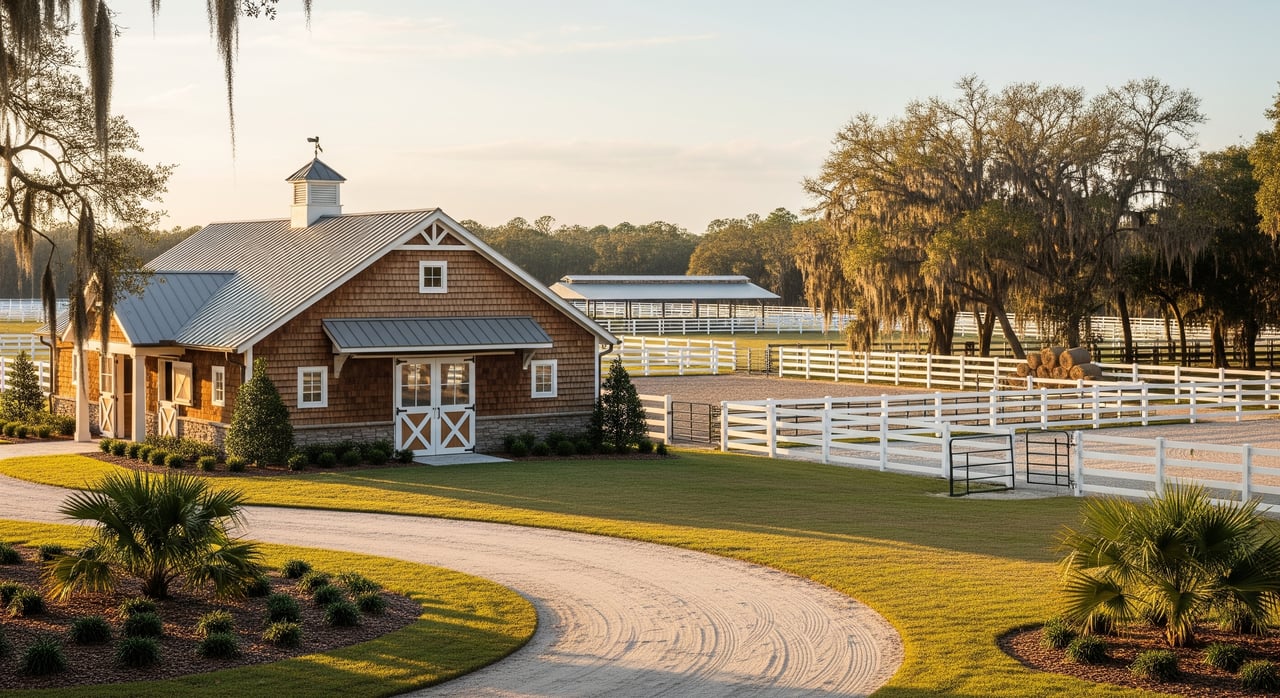
Step-by-Step Guide to Buying a Horse Farm in Reddick
December 4, 2025
December 4, 2025
Picture quiet mornings under the oaks, an easy hack from your barn to a well-sited arena, and the services you need just a short haul away. If you are drawn to that lifestyle, Reddick in Marion County offers rural space with access to one of the country’s premier equestrian hubs. You want a clear plan that protects your investment and supports your horses from day one. This guide walks you through acreage, siting, zoning, utilities, and a practical due-diligence checklist tailored to Reddick. Let’s dive in.
Reddick sits within the broader Ocala equine economy. You are close to trainers, veterinarians, farriers, and supply networks that support daily operations and competition schedules. The area’s rural feel also gives you room to design a property that fits your program.
You can tap local expertise for land and herd management. UF/IFAS Marion County Extension is a leading resource for pasture, forage, and animal care guidance. Pair that with county planning and property appraiser offices to align your plans with local rules.
For a private setup with a few horses, many buyers target 5 to 15 acres. If you plan a professional breeding, boarding, or training program, expect to look at 20 acres or more, depending on herd size and whether you want hay production. Acreage drives room for paddocks, arena placement, hay and manure storage, trailer parking, and future expansion.
Focus on functional acres, not just total acres. Wetlands, floodplain, and conservation areas reduce usable land. Ask for the plat and county GIS layers so you can estimate how much of the parcel you can truly use after accounting for environmental features.
Sketch a site plan before you tour. Group the barn, arena, and parking for efficient movement while keeping the home upwind and out of dust. Leave space for manure storage and truck access. Plan buffer zones from neighbors and roads, and preserve options for a second arena, more turnout, or a larger barn later.
Good drainage is the top priority. Choose a naturally well-draining spot or budget for a proper base and subsurface drainage. Keep grade minimal and consider orienting the long axis roughly north-south to reduce low-angle sun in riders’ eyes. Place the arena close to the barn for convenience but far enough from the home and neighbors to reduce dust and noise. Large grading or lighting can trigger permits, so confirm early with the county.
Quality footing starts below the surface. A layered sub-base with drainage supports consistent rideability and reduces maintenance. Many local arenas use sand blends with optional fiber additives. Your footing choice affects water use, grooming frequency, and long-term cost, so align it with your discipline and budget.
Ventilation matters in Florida heat. Design clear airflow pathways and safe egress routes. Keep hay dry and stored away from electrical sources to reduce fire risk. Plan a secure, well-drained manure area with access for removal and position wash racks so wastewater is handled appropriately for your intended use.
Common choices include post-and-rail wood, vinyl rail, and pipe fencing. For wire systems, use woven or high-tensile with a visible top rail or tape so horses can see boundaries. Electric strands can discourage leaning when paired with a visible rail. Avoid barbed wire where horses are kept. Walk the entire perimeter to check visibility, continuity, gate function, and any roadside setback needs.
Rotational grazing and cross-fencing support pasture health. Provide reliable water in every paddock and shade or shelter for hot afternoons. A simple manure plan goes a long way: designate storage or compost areas on high, well-drained ground and protect them from runoff into surface water. For stocking rates and forage selection, consult local extension guidance tailored to Marion County soils and seasons.
Water: Verify well capacity in gallons per minute and test potability. Horses need steady, clean water in every turnout and barn area. If there is municipal supply, confirm service details and pressure.
Septic: Confirm system size and condition for the residence and any barn washdown needs. Expansion or changes in use can require permits through the county health department.
Power: Check service capacity for lighting, pumps, and fans. Look at panel age, wiring condition in the barn, and surge protection for well and equipment.
Internet: Some rural parts of Reddick rely on fixed wireless or satellite. If you plan to run a business or work remotely, verify available providers and speeds before you commit.
Road access: Determine whether the driveway and internal roads are county maintained or private. Private roads often come with shared maintenance agreements. Confirm turning radii, gate widths, and surface condition for trailers and emergency vehicles.
Start with zoning and permitted uses. Review the Marion County zoning map and Land Development Code to confirm agricultural and equine uses, setbacks, and rules for barns, stables, and arenas. If you plan commercial boarding, lessons, training, or breeding, ask county zoning staff whether a conditional or commercial use is required.
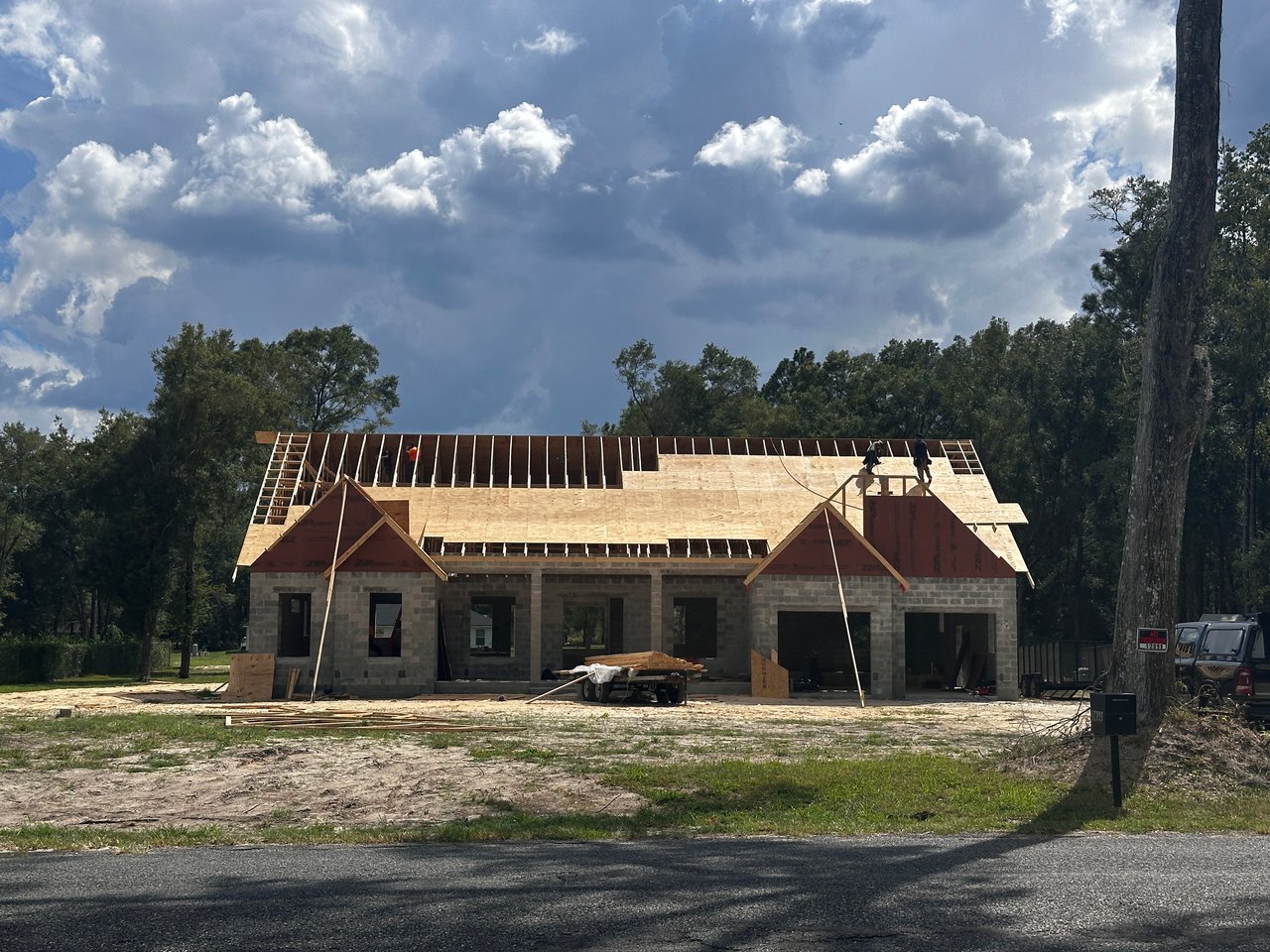
Confirm permits and inspections early. New barns, covered arenas, roofed shelters, or major renovations typically need building permits. Significant grading or erosion control measures for arenas may require additional review. Septic and well work goes through the county health department, and new electrical in barns usually needs its own permits and inspections.
Look at agricultural classification for taxes. The Property Appraiser and Tax Collector can explain documentation, deadlines, and how equine operations are treated. Clarify whether your intended use qualifies and what records you need to maintain.
Account for environmental and water rules. Check FEMA flood zones and any wetlands on site. Projects near water features or new ponds may involve the regional water management district. Follow best practices for manure and nutrient management to protect local water quality.
Review legal protections and private restrictions. Florida’s right-to-farm provisions can support established operations, but details vary. Always review deeds, easements, and any HOA or private covenants that could limit agricultural or equine uses.
Order a boundary and topographic survey to locate setbacks, utilities, and easements.
Inspect barns, sheds, hay storage, and roofs. Include a licensed electrician for barn wiring and panel safety.
Test the well for yield and water quality and evaluate septic capacity and condition.
Assess soils and drainage where you will place or upgrade arenas and barns.
Verify floodplain and wetlands. Get a wetland delineation if needed.
Conduct environmental screening if past use included chemicals or fuel storage.
Walk pastures to identify forage species, toxic plants, soil fertility, and cross-fencing needs.
Inspect fencing for height, visibility, and repairs.
Review manure storage location and any runoff risks.
Collect insurance quotes for property, farm liability, equine coverage, and any flood or wind requirements.
Set aside funds for upgrades within the first year. Common items include arena base and footing, fencing repairs, cross-fencing for rotation, shade structures, and waterers in every paddock. Price out manure storage improvements and access for removal.
Insurance underwriters look at barn construction type, wiring, distance to emergency services, flood or wind exposure, and claim history. Get early quotes so you can account for coverage and exclusions in your budget. If you plan to host clients or boarders, review farm liability and confirm policy limits fit your operations.
Buying a horse farm is as much about practicality as it is about lifestyle. A local advisor who understands barns, arenas, zoning, and construction can save you time and help you avoid costly missteps. You want someone who can coordinate surveys and inspections, read site plans, and connect you with county staff and trusted builders.
If you are considering Reddick or greater Marion County, work with a specialist who blends equine experience with construction literacy and a concierge approach. For tailored guidance from search through closing and beyond, connect with Alyssa Pascucci for a discreet, expert-led path to your ideal horse property.
Stay up to date on the latest real estate trends.
Market Update
What the Latest Numbers Mean for Buyers and Sellers
Building Requirements
Health Department
Real Estate
Means for Buyers, Sellers, and Horse Farm Owners
We bring a passion for equestrian living and years of real estate expertise to guide buyers, sellers, and investors with unmatched dedication. With a background in luxury markets, construction knowledge, and international experience, we understand the unique needs of every client. Based in Ocala’s Whispering Oaks Farm, we are ready to help you find your perfect property near the World Equestrian Center and beyond.