Jumbo Loans in Alachua and Marion: A Buyer’s Guide
December 18, 2025
December 18, 2025
Shopping for a luxury home, horse farm, or acreage near Gainesville or Ocala and wondering if your mortgage will count as “jumbo”? You are not alone. High‑value and rural properties often push past standard loan limits, which changes how lenders underwrite your file and how you craft your offer. This guide explains what counts as a jumbo loan in Alachua and Marion counties, what lenders expect, how rates work, and how to keep your timeline and negotiation on track. Let’s dive in.
A jumbo loan is any mortgage that exceeds the conforming loan limit set by federal regulators. For 2024, the baseline single‑family conforming limit is $766,550. Alachua and Marion counties follow the baseline, so most loans above that figure are considered jumbo here.
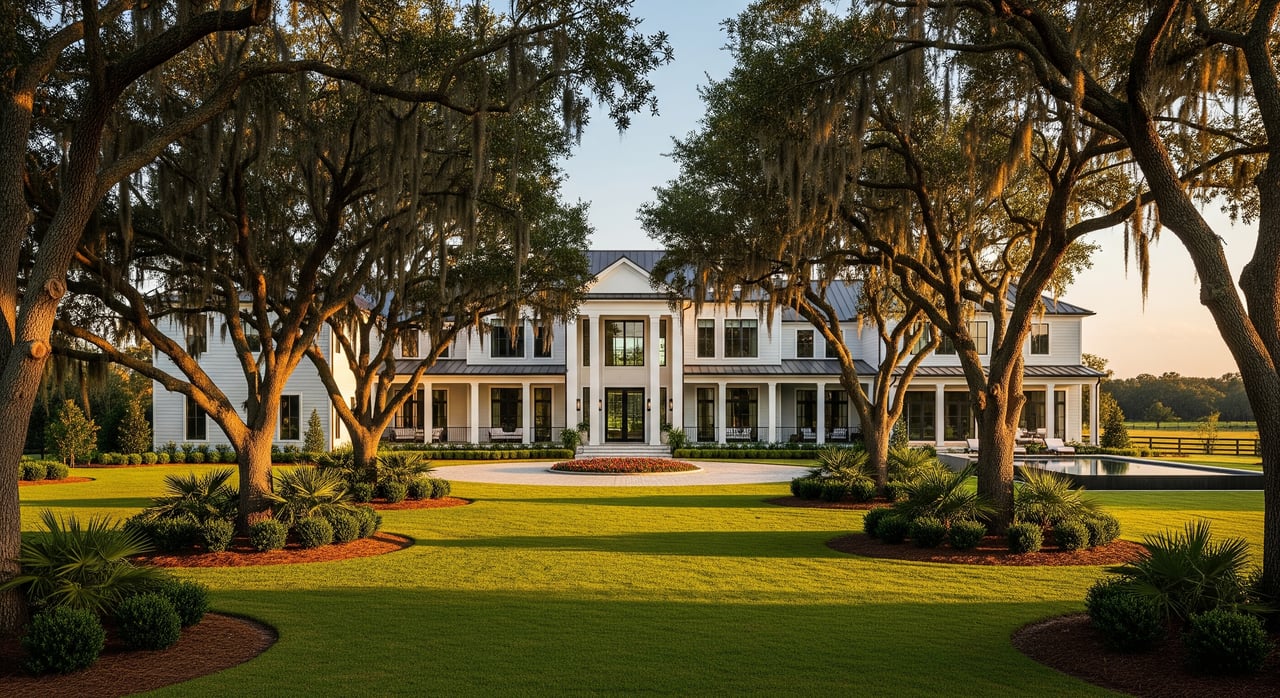
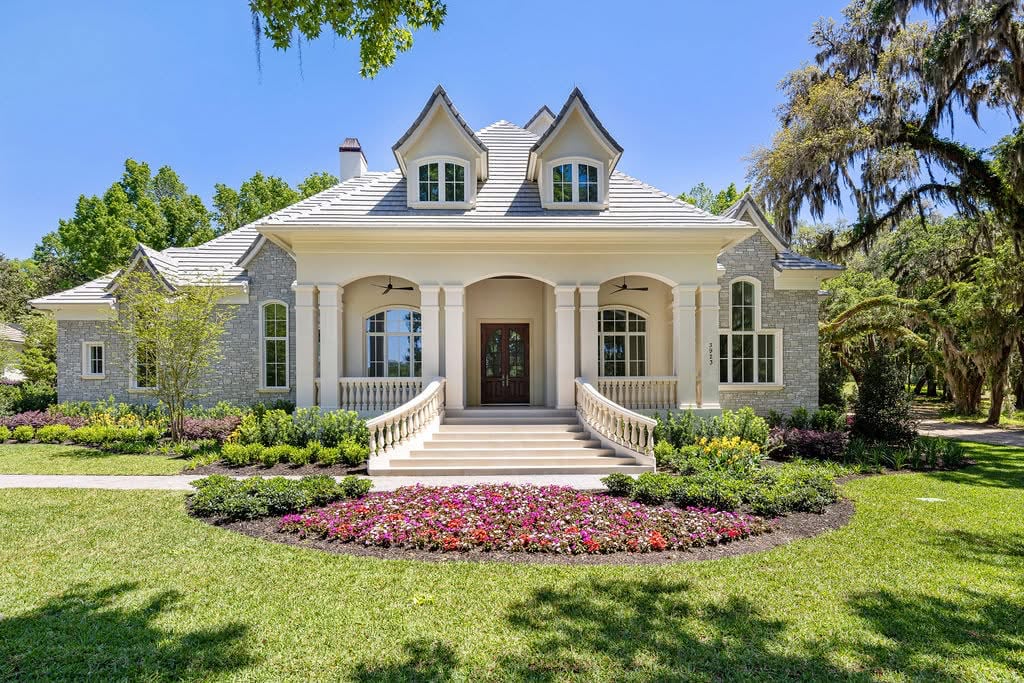
In our market, jumbos commonly show up on luxury single‑family estates, equestrian properties, and large acreage homes. Unique homes with limited comparable sales can also trigger jumbo underwriting complexity. Plan for extra attention on valuation, property features, and documentation.
Lenders favor strong credit for jumbos. Many price best for scores at or above 720, though some programs accept lower scores with higher rates or a larger down payment. Typical down payments range from 10 to 20 percent for a primary home, with 20 percent or more common for second homes and investments. Debt‑to‑income ratios are often tighter, with many lenders targeting about 43 percent or less.
Expect to show healthy cash reserves. Many jumbo programs require 6 to 12 months of principal, interest, taxes, and insurance in reserve for a primary home. Second homes and investments can require more. Standard income documentation includes recent pay stubs, W‑2s, and two years of tax returns.
Self‑employed buyers can qualify with full documentation using two years of personal and business tax returns, plus profit and loss statements. Some lenders offer bank‑statement or asset‑qualifier programs. These options typically come with higher rates and larger reserve requirements.
Many lenders allow gift funds for down payment on primary residences. You will need a gift letter and supporting documentation that satisfies the lender’s guidelines.
Jumbo lenders can be selective about property types. Some programs exclude manufactured homes, certain non‑standard construction, non‑warrantable condos, or properties with significant agricultural features. Portfolio lenders may be more flexible, but guidelines vary.
Valuing acreage, outbuildings, and one‑of‑a‑kind designs takes expertise. Expect a full interior appraisal and, in some cases, a rural appraiser who can pull comparable sales from a wider radius. Appraisal gaps are more common on unique properties, so keep your appraisal contingency and plan your timelines accordingly.
Many luxury and acreage homes here rely on private wells and septic systems, sit on private roads, or have specific access easements. Lenders may require a current survey, proof of legal access, and inspections for well and septic. Confirm utilities and any recorded easements early, since these items can affect eligibility and value.
Older estate homes, rural properties, or parcels in flood‑prone areas can carry higher insurance costs. Lenders require acceptable hazard and, if applicable, flood insurance before closing. It is wise to review potential flood exposure and premiums early in the process.
Jumbo rates do not move in lockstep with conforming loans. In recent years, the spread has sometimes narrowed, but pricing still depends on lender funding costs and investor appetite. Your exact rate is influenced by loan amount, loan‑to‑value, credit profile, documentation type, property type, occupancy, and your asset reserves.
Because many jumbos are held in bank portfolios or sold to private investors, product offerings vary widely. Comparing quotes from a few sources, including regional banks, local credit unions, and mortgage brokers, can reveal meaningful differences in both rate and underwriting flexibility.
In competitive situations, a standard pre‑approval helps, but a fully underwritten approval is stronger. Ask lenders if they will underwrite your file to a conditional approval before you write an offer. This shows the seller you have cleared major hurdles and can speed up the closing.
If you consider an appraisal gap clause, discuss the risks and cash requirements with your lender and agent. Make sure you have reserves to cover any difference between the appraised value and contract price.
If you want a clear plan for a luxury home, equestrian property, or acreage in Alachua or Marion, you deserve a local advocate who understands both the lifestyle and the logistics. For concierge guidance, trusted lender introductions, and a tailored offer strategy, connect with Alyssa Pascucci.
Stay up to date on the latest real estate trends.
Real Estate
Means for Buyers, Sellers, and Horse Farm Owners
We bring a passion for equestrian living and years of real estate expertise to guide buyers, sellers, and investors with unmatched dedication. With a background in luxury markets, construction knowledge, and international experience, we understand the unique needs of every client. Based in Ocala’s Whispering Oaks Farm, we are ready to help you find your perfect property near the World Equestrian Center and beyond.