Imagine stepping onto a wide front porch, hearing the creak of century-old boards, and knowing you own a piece of Ocala’s story. If you love character homes, you also know they come with questions about condition, updates, and what you can change. This guide gives you a clear way to identify common Ocala historic styles, understand typical issues, plan preservation-friendly upgrades, and navigate approvals and financing with confidence. Let’s dive in.
Where Ocala’s history lives
Ocala’s historic homes cluster in and around the downtown historic district and nearby older neighborhoods. Many date from the late 1800s through the 1930s, when the city grew rapidly. You will see a mix of Victorian, early 20th-century Revivals, Craftsman bungalows, and Mediterranean-influenced designs on shaded streets close to the city center.
What makes these homes special is their original craftsmanship. Think wraparound porches, detailed millwork, wood-sash windows, and plaster moldings. The Florida climate and time mean you should plan for careful updates to modern systems, moisture control, and termite protection.
How to spot common styles
Queen Anne and Late Victorian
- Signature look: Asymmetrical fronts, front-facing gables, bay windows, and sometimes towers. Porches often wrap around with turned posts and spindlework.
- Materials: Wood frame with wood clapboard siding, wood shingles in gables, original single-pane wood windows.
- Common alterations: Enclosed porches, aluminum or vinyl siding, and replacement windows.
- Typical issues: Wood rot at porches and sills, complex rooflines that trap moisture, and tall chimneys that may settle. Inspect under any later siding for hidden water damage.
Folk Victorian
- Signature look: Simpler, more symmetrical forms with applied ornament like porch brackets and turned posts.
- Materials: Often lighter framing on pier foundations with wood siding and original wood windows.
- Typical issues: Foundations and piers can settle, and earlier DIY repairs may need correction. Watch for termite damage and moisture.
Colonial Revival and Neoclassical
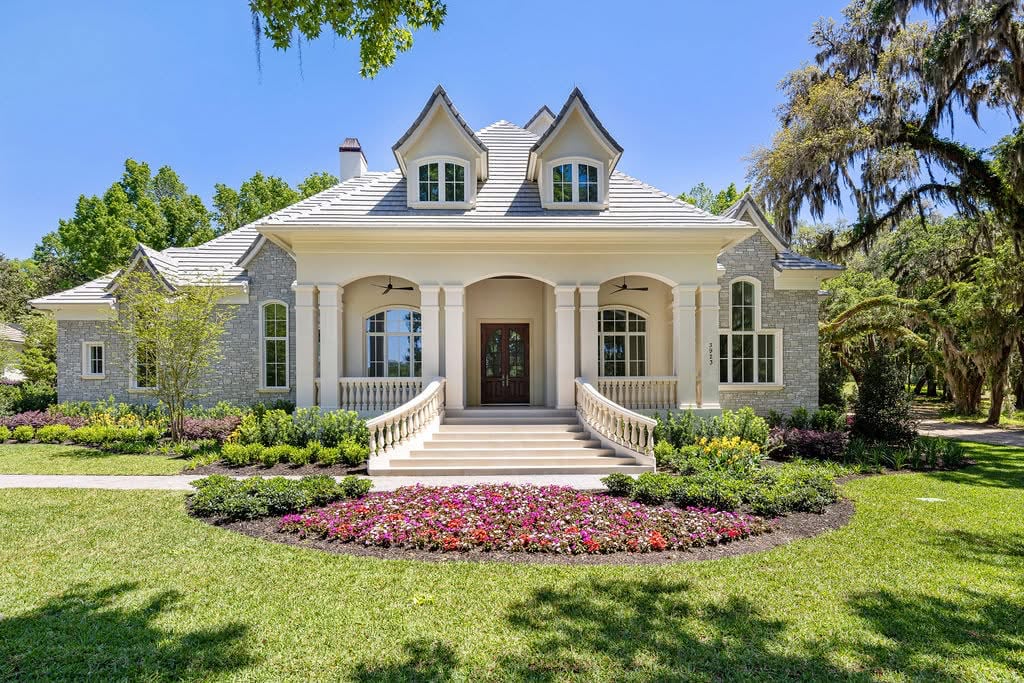
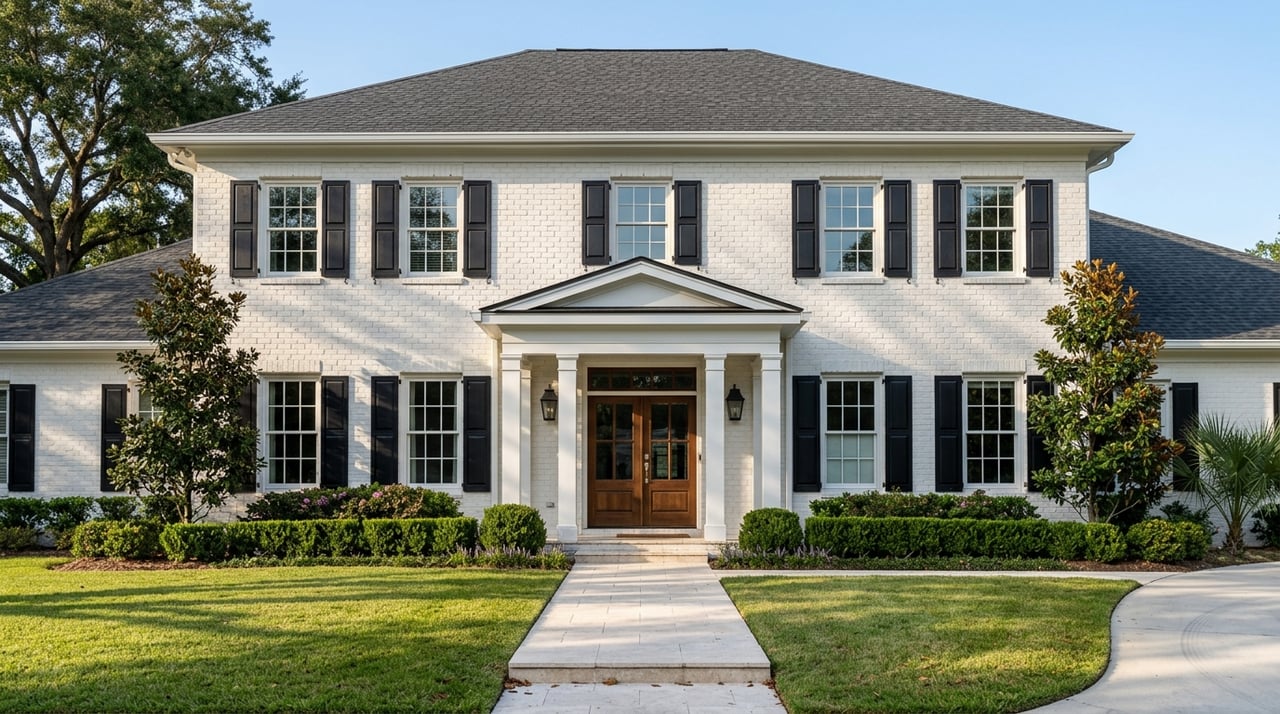
- Signature look: Symmetrical façades with a centered entry. Columned porches or porticos and simple classical trim.
- Materials: Wood or masonry construction, wood columns, and original double-hung windows, often with multi-pane upper sashes.
- Typical issues: Porch and column deterioration, plaster cracking, and older masonry with failing mortar.
Craftsman and Bungalow
- Signature look: Low-pitched gabled roofs, wide eaves with exposed rafters, and tapered square porch columns on piers. Interiors often include built-ins and natural wood trim.
- Materials: Wood frame with wood shingles or siding, masonry porch piers, and original wood-sash windows.
- Typical issues: Settlement at porch piers and foundations, older wiring such as knob-and-tube, crawlspace moisture, and single-pane windows that need maintenance.
Mediterranean and Spanish Revival
- Signature look: Stucco walls, low-pitched red tile or composite tile roofs, arched openings, and wrought iron accents.
- Materials: Stucco over masonry or wood frame, clay tile roofing, and steel or wood windows.
- Typical issues: Stucco cracking and moisture intrusion, heavy clay tile roof repairs, and flashing or underlayment added incorrectly over time.
Vernacular cottages and shotgun-style homes
- Signature look: Small footprints, simple plans, and front porches with minimal ornament.
- Materials: Wood frame on piers with basic trim and original wood windows.
- Typical issues: Higher risk of termite damage, moisture at the foundation, and older plumbing or wiring that needs updating.
What to expect at inspection
Buying a historic home is not about perfection. It is about understanding the house and prioritizing smart upgrades. Use inspectors and contractors who know historic construction.
- General home inspection: Evaluate the roof, structure, and foundation. Ask about framing type and visible settlement.
- Pest inspection: Termites and other wood-destroying organisms are common in Florida. Obtain a current termite report.
- Electrical: Look for knob-and-tube or cloth-insulated wiring and undersized service. Many homes benefit from a 200-amp upgrade.
- Plumbing: Flag galvanized supply lines, cast-iron drains, and signs of slow leaks or corrosion.
- HVAC: Systems were often added later. Check attic or crawlspace installs and whether ductwork affected historic materials.
- Moisture and mold: Inspect crawlspaces and attics for ventilation, standing water, or mold.
- Roof and flashing: Confirm proper flashing at valleys, chimneys, and dormers. Verify attic ventilation.
- Chimneys and fireplaces: Assess structural stability and flues if you plan to use them.
- Hazardous materials: Test for lead-based paint in pre-1978 homes and consider asbestos checks where relevant.
- Structural engineer: If you see sagging floors, pier settlement, or major alterations, bring in an engineer for clarity.
Records, rules, and reviews in Ocala
Before you write an offer, learn the property’s history and any rules that apply to exterior changes.
- Status and guidelines: Determine if the home is in a local historic district. Review design guidelines that govern exterior alterations visible from the street.
- Permit history: Review prior building permits to understand what was changed and whether work was permitted.
- Ownership and assessment: Check the property’s assessment records and parcel history.
- State and national context: Properties may also appear in state inventories or on the National Register of Historic Places. That can inform research and best practices.
If the home is within a designated historic district, exterior changes often require review and approval. Expect permits for structural, electrical, plumbing, and roofing work, with inspections. Timelines vary, so plan your project schedule accordingly.
Preservation-friendly upgrades
The goal is to address safety and comfort while keeping the home’s character. Prioritize the building envelope and systems first.
- Roof and water management: Fix leaks and flashing immediately. Add gutters and downspouts that are compatible with the house. Choose replacement materials that match the look if original roofing cannot be salvaged.
- Termite protection and structure: Treat active infestations and repair damaged wood. Improve grading away from the house and manage crawlspace moisture.
- Electrical modernization: Upgrade wiring and panels for safety. Route new wiring through attics and crawlspaces to minimize opening walls.
- HVAC and insulation: Right-size the system. Insulate attics and crawlspaces carefully and evaluate wall insulation only with moisture control in mind.
- Windows and doors: Repair original wood windows whenever possible. Reglaze panes, tune sash weights, and add weatherstripping. Consider interior or exterior storm windows for energy efficiency.
- Plumbing refresh: Replace failing supply and drain lines. Plan routes to avoid unnecessary damage to historic finishes.
- Paint and millwork: Use appropriate paints and rehabilitate decorative trim rather than replacing it. Repair with wood splicing or epoxy consolidants where practical.
When in doubt, use reversible methods so future owners can return elements to an earlier state. Work with contractors who understand older buildings and can protect historic fabric during upgrades.
Budget, insurance, and financing
Costs vary by scope. Safety and building envelope repairs often come first and can be significant. Specialized restoration, like custom millwork or historic masonry work, generally costs more than standard remodeling.
- Insurance: Older systems can affect underwriting. Insurers may require electrical updates, roof improvements, or hazard removal before issuing coverage. Ask about windstorm or flood coverage if relevant.
- Mortgages: Conventional and FHA loans are common, but condition matters. Renovation loans such as FHA 203(k) or Fannie Mae Homestyle can finance repairs when paired with qualified contractors and detailed scopes.
- Planning: Build contingency into your budget for unforeseen issues inside walls, under siding, or in crawlspaces.
Your smart buyer walk-through
Use this quick visual checklist during tours and when reviewing listing photos. It will help you spot red flags and plan next steps.
- Exterior and roof: Photograph all sides, porches, and rooflines. Look for sagging, soft wood, and flashing gaps.
- Foundation and piers: Check crawlspaces for standing water, missing vapor barriers, and pier settlement.
- Porches and trim: Study columns, rails, and decorative elements for rot or loose connections.
- Windows and doors: Note paint buildup, inoperable sashes, and visible rot at sills.
- Interior finishes: Document millwork, mantels, baseboards, and plaster cracks. Identify areas you want to preserve.
- Attic and structure: Look for daylight at roof penetrations, rusted nails, or undersized framing.
- Mechanical areas: Photograph the electrical panel, HVAC equipment, and water heater with labels visible.
Offer and renovation strategy
A strong plan helps you buy with confidence and keep work on track.
- Confirm district status and guidelines before you offer. If exterior work is planned, ask about review timelines.
- Request permit history and any documentation from prior renovations.
- Order specialized inspections early, including pest, electrical, and structural evaluations as needed.
- Get at least two estimates from contractors experienced with historic homes before finalizing budgets.
- If your renovation is significant, explore a renovation loan that aligns with your timeline and scope.
With the right team, historic homes are incredibly rewarding. You preserve irreplaceable craftsmanship while tailoring comfort and function to your life. If you want a partner who understands both construction and character, reach out to Alyssa Pascucci for concierge guidance, access to trusted vendors, and a tailored plan for your historic home search.
Ready to explore Ocala’s historic homes and craft a clear purchase-and-renovation roadmap? Connect with Alyssa Pascucci for expert representation and a seamless experience.
FAQs
What changes are reviewed in Ocala’s historic districts?
- Exterior alterations visible from the public street often require review and approval. Interior work is typically not regulated. Always confirm local guidelines for your property.
Are there tax credits or grants for Ocala historic homes?
- Federal historic rehabilitation tax credits generally apply to income-producing properties, not standard owner-occupied homes. Local incentives vary, so check with city and county offices.
How can I improve energy efficiency without replacing old windows?
- Repair original wood windows, add weatherstripping, and use interior or exterior storm windows. This approach preserves character and improves comfort.
Will insurers cover older homes in Florida easily?
- Many will, but they may require updates such as electrical modernization or roof work. Shop multiple insurers and document recent upgrades to help underwriting.
Can I use a renovation loan to buy a historic home in Ocala?
- Yes. FHA 203(k) and Fannie Mae Homestyle loans can finance purchase plus repairs when the project and contractor meet program requirements.
How much maintenance should I expect with a 1920s bungalow?
- Plan for ongoing upkeep like painting, porch repairs, roof maintenance, and termite prevention. Regular care protects value and prevents larger repairs later.