Your Guide to Ocala Historic District Living
February 5, 2026
February 5, 2026
Curious what daily life looks like when your morning starts on a shaded porch and your coffee shop is a short stroll away? If you love character-rich architecture and a lively downtown, yet want clear answers about walkability, parking, and caring for an older home, you’re not alone. In this guide, you’ll get a grounded look at Ocala’s Historic District, including streets and homes, daily rhythms, buyer considerations, and how to decide if the neighborhood fits your long‑term plans. Let’s dive in.
When locals say “Ocala’s Historic District,” they typically mean the downtown core and the surrounding residential blocks with older single‑family homes. Exact boundaries and the type of designation can vary, so verify the current map and legal status with the City of Ocala’s planning and preservation staff and the National Register of Historic Places. You can start with the City of Ocala’s historic preservation resources and the National Park Service’s National Register overview to understand how listings and local overlays work.
Downtown Ocala grew rapidly from the late 19th into the early 20th century. You’ll find brick commercial storefronts, civic buildings, and nearby residential streets lined with late‑Victorian and Queen Anne homes, Colonial Revival styles, Craftsman bungalows, and early 1900s cottages. Small parks, tree‑lined streets, and adaptive reuse of older buildings shape a compact, walkable feel that stands apart from suburban corridors.
Ocala sits in central Florida and is known regionally for its equine industry and access to natural springs. The Historic District anchors the city’s civic and cultural life, which means you can often use downtown for dining, shopping, and events while commuting elsewhere in Marion County for certain services or work.
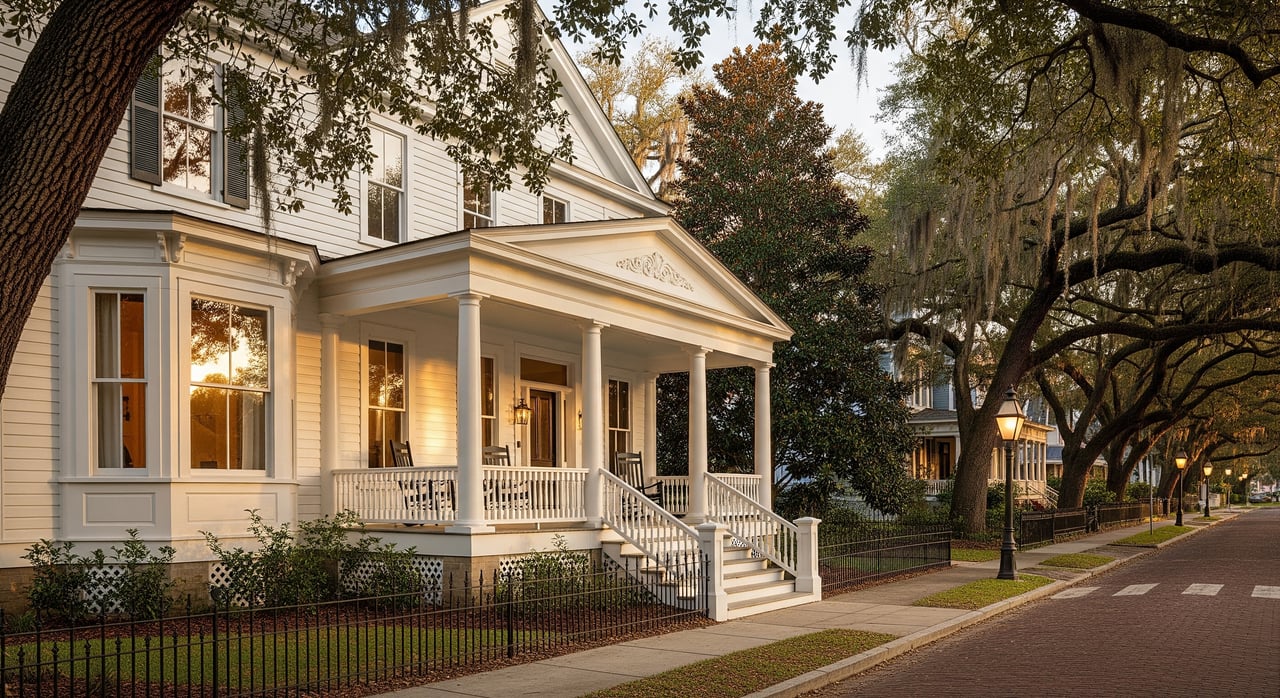
If you picture broad front porches, wood siding, brick chimneys, and mature shade trees, you’re on the right track. Typical homes include Victorian and Queen Anne styles, Craftsman bungalows with low‑slung roofs, and simple early 20th‑century cottages. Many lots are narrow with small front yards and sidewalks that invite evening strolls and porch conversations.
Commercial blocks are one to three stories, usually masonry with large windows and upper‑floor offices or apartments. Streets near the core are narrower and more human‑scaled, with on‑street parking and shorter block lengths. Walkability varies block by block, so check a specific address using tools like Walk Score to see how easily you can reach daily needs.
Pocket parks, civic plazas, and cultural venues give the area its social heartbeat. If you like to plan around local happenings, review event listings through the City of Ocala and the Visit Ocala/Marion County calendar to see what is scheduled in each season.
Mornings often start on foot. You might walk to a coffee shop, take the dog through a small park, or swing by a farmers market if one is operating. Simple errands, like a pharmacy pickup or a quick bite, are often within a short walk of many downtown blocks.
During the workday, some residents walk to offices, shops, or restaurants downtown. Many commute to employment clusters elsewhere in Ocala or Marion County. Driving access to I‑75 and key regional roads makes those trips manageable, especially if you plan your timing around peak hours.
Evenings and weekends center on dining, live music, art, and seasonal festivals. Event frequency changes through the year, so check the City of Ocala or Visit Ocala/Marion County pages to decide which nights are best for a show, an outdoor market, or a quiet dinner.
Buyers come for different reasons. Empty nesters and retirees appreciate smaller yards and the ability to walk to dinner or a show. Young professionals and small households value the short commute and the character that older homes provide. Investors may consider small rental units or mixed‑use opportunities, subject to local rules.
Pricing often reflects the premium for location and historic character, but values vary widely with condition, lot size, and architectural integrity. Instead of relying on citywide averages, review recent, hyperlocal MLS data for the district, including median price, days on market, and price per square foot.
Older homes require a thoughtful plan. Budget for full inspections and potential updates to electrical, plumbing, HVAC, roofing, and foundations. In Florida, you should also plan for termite or wood‑rot mitigation where needed. Energy efficiency upgrades, like sealing and insulation, should be weighed against preservation guidance and the home’s character.
If a property lies inside a local historic district, exterior changes such as window replacements, additions, or demolitions may require design review. Confirm which actions need approval, how long reviews typically take, and what materials are acceptable by contacting the City of Ocala’s historic preservation team. National Register status by itself usually does not restrict private owners unless a local overlay or easements are in place, which you can learn more about from the National Park Service.
Zoning near downtown often allows a mix of uses, including residential above retail. Some areas may allow short‑term rentals or home‑based businesses, while others do not. Always confirm allowed uses with city planning before you buy.
Flood risk depends on your specific lot. Use the FEMA Flood Map Service Center to check a property’s flood zone, then speak with your insurance professional about required coverage and costs. In Florida, wind and hurricane coverage is a key part of your policy, and items like wind‑mitigation credits and roof age can impact premiums.
For property taxes and any special assessments tied to downtown improvements, review the parcel details through Marion County’s property records. Utilities for water and sewer are typically city‑provided, while electricity and broadband depend on location and provider coverage. If fiber speed is important to you, confirm availability at your exact address.
Consider the following as you decide:
Start by mapping a few favorite addresses for daily‑life checks. Look up walkability for each block using Walk Score, confirm parking rules and any historic design review with the City of Ocala, browse seasonal events on Visit Ocala/Marion County, and check flood risk with FEMA. When you are ready to compare properties or weigh renovation options, connect with a local expert who knows older homes and can guide you through inspections, zoning, and long‑term value.
If you want a tailored, concierge approach with construction insight and thoughtful lifestyle guidance, reach out to Alyssa Pascucci. As a trusted local advisor, Alyssa can help you decide if Ocala’s Historic District is the right move and curate homes that match how you want to live.
City of Ocala planning and historic preservation
National Register of Historic Places overview
City of Ocala parking and transportation
Visit Ocala/Marion County events
Ready to find your place downtown or compare options across Marion County? Connect with Alyssa Pascucci for concierge guidance and a smart plan from first tour to close.
Stay up to date on the latest real estate trends.

Market Update
What the Latest Numbers Mean for Buyers and Sellers
Building Requirements
Health Department

Real Estate
Means for Buyers, Sellers, and Horse Farm Owners
We bring a passion for equestrian living and years of real estate expertise to guide buyers, sellers, and investors with unmatched dedication. With a background in luxury markets, construction knowledge, and international experience, we understand the unique needs of every client. Based in Ocala’s Whispering Oaks Farm, we are ready to help you find your perfect property near the World Equestrian Center and beyond.