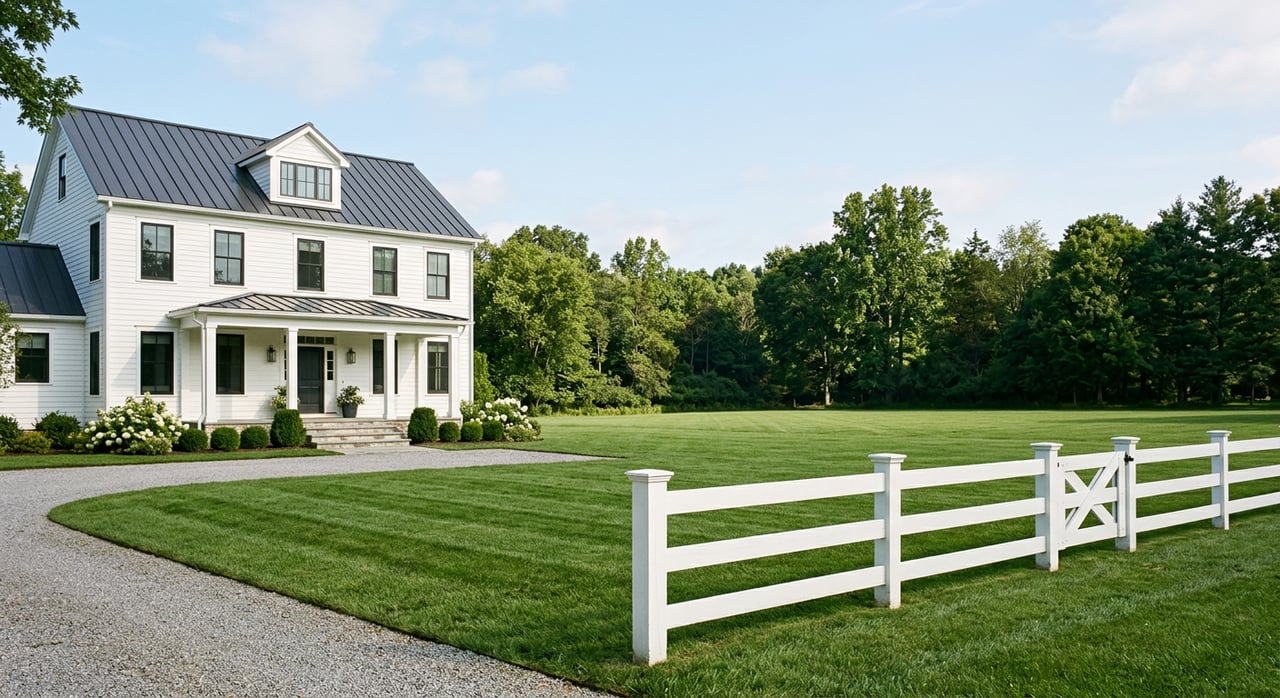
Williston Land for Sale Insights on Acreage and Farms
March 24, 2026
March 24, 2026
Looking for space to breathe, ride, or build near Ocala without losing access to everyday conveniences? The Williston area in Levy County gives you room to spread out with a mix of small farms, equestrian acreage, and large tracts that fit many lifestyles and investment goals. If you want clarity on what you can build, how utilities work, and what to check before you buy, you are in the right place. In this guide, you will learn the core land types around Williston, the city-versus-county rules that shape value, and the due diligence that protects your plans. Let’s dive in.
Williston sits in rural north-central Florida with a small but growing population of about 3,297 residents as of April 2023, according to state reports. You get a quieter, land-focused setting with quick access to springs, ranch country, and major equestrian hubs. The result is a steady market for small “gentleman farms,” horse properties, and larger holdings that support grazing, timber, or long-term investment.
Buying here often means choosing between parcels inside Williston’s city limits and those in unincorporated Levy County. That choice affects zoning, density, and utility options. Inside the city, you may have access to municipal water and sewer. Outside, rural acreage usually relies on private wells and septic systems. Understanding that split early helps you shape a realistic budget and timeline.
The Williston area offers a broad menu of acreage options. Here is what you will typically see.
If you want a hobby farm, small horse setup, or room for a custom home with pasture, these parcels are common. You will see a mix of improved pasture, scattered trees, and modest agricultural features. Owner financing sometimes appears on smaller tracts. Market snapshots on land aggregators show a wide spread of list prices across Levy County, which is driven by size, utilities, road type, and any wetlands or floodplain present.
From hobby-horse parcels to larger operations, Williston attracts riders looking for turnout, barns, and arenas within reach of Ocala’s horse country. When you evaluate a horse property, look closely at drainage, water availability, access for trailers, and space for future improvements like additional stalls or a covered arena. Local code still applies, so plan for setbacks, manure management, and proper site prep.
Many parcels in Levy County have long agricultural history. You may find hay fields, cattle pasture, or mixed timber stands. For a working operation, consider soils, irrigation potential, and how fencing, cross-fencing, and access roads will function through seasons.
These can serve as recreational retreats, timber holdings, or future development plays. Larger holdings bring greater scrutiny for access, wetlands, and any potential land-use changes. If you are thinking about subdividing later, study county land-use maps and application requirements first.
Parcels along highways or within the Williston Municipal Service District are sometimes positioned for commercial or mixed uses. These opportunities require case-by-case review by the county. Expect more analysis and coordination when rezoning or seeking higher intensity uses.
Listing aggregators provide helpful context but are not a substitute for local comps. One snapshot of farmland listings in Levy County showed an average list price around $33,300 per acre. Actual value will vary based on utilities, paved road frontage, wetlands, floodplain status, and development entitlements. Use current MLS data and a local land specialist for pricing and offer strategy.
Your first stop should be Levy County’s Future Land Use Map and zoning guidance. These documents outline what can be built, minimum lot sizes, and where higher-density or commercial uses are appropriate. Inside city limits or within the Municipal Service District, you may have pathways to higher intensities if municipal utilities are available or extended. Outside city limits, rural zoning usually controls, and density is lower.
The difference matters for both short-term use and long-term value. If your plan involves subdivision or commercial activity, expect formal applications, fees, and technical studies as part of the process. For a simple single homesite and pasture, the path is often more straightforward, but you still need to confirm access, septic feasibility, and any environmental constraints.
Verify how you access the property and who maintains the road. Public, paved county roads usually offer the most value and easiest development path. Private roads or easements can work well but may involve shared maintenance agreements, gates, or improvement costs. County application checklists reflect a strong focus on access and surrounding roadways when reviewing land-use changes.
For equestrian or development uses, three items usually set the tone: water availability, septic feasibility, and reliable road access. If you need municipal services for a higher-density plan, check potential annexation or service agreements with city and county staff early in your process.
North-central Florida sits atop karst limestone, which creates sinkholes, solution basins, and the region’s famous springs. In the Williston area, features like Devil’s Den hint at the subsurface geology that can affect drainage, buildability, and insurance. The U.S. Geological Survey provides helpful background on karst aquifers if you want a primer.
Floodplains and wetlands also matter. Review FEMA flood maps, the National Wetlands Inventory, and regional water management district resources to understand seasonal water behavior and whether mitigation could be required. If your intended building area is near mapped wetlands or flood zones, budget time for a professional delineation and design adjustments.
Soils are another key input, especially for barns, arenas, and septic. Use the USDA Web Soil Survey to evaluate permeability and depth to water table. Many buyers also run a septic site evaluation and, for heavier structures like covered arenas, a geotechnical review. The goal is simple: know where the strong, dry ground is before you set your layout.
Florida’s agricultural classification, often called the Greenbelt, can reduce ad valorem taxes for bona fide agricultural or forestry use. Eligibility, documentation, and deadlines are administered through the county property appraiser under state rules. If you plan cattle, hay, or timber operations, evaluate whether the use will qualify and how it may affect your carrying costs and exit strategy.
Financing for land varies. Buyers often explore USDA Farm Service Agency or Rural Development programs, along with conventional lenders who understand acreage. Terms change, so speak directly with lenders and local USDA offices to align the loan type with your timeline and intended use.
If you plan to change a parcel’s land use or zoning, expect a defined application process with specific submittal items. Levy County’s checklists and amendment guides typically require a certified boundary survey, soils information, maps of roadways and adjacent uses, and sometimes traffic or environmental studies for larger changes. Applications involve fees and review timelines, which add to your total project schedule and budget.
Rezoning or comprehensive plan amendments can take months. Smaller, by-right uses move faster as long as access, septic feasibility, and basic site constraints check out. The earlier you involve county staff and your consultants, the fewer surprises you will see once you are under contract.
Use this short list to protect your timeline and budget:
Many buyers compare Williston to Ocala in Marion County and Gainesville in Alachua County. The general pattern is this: Williston and Levy County often deliver lower per-acre entry prices and a quieter rural setting. Neighboring counties tend to have higher demand and more built infrastructure, which can translate to stronger resale liquidity. Your best choice depends on your time horizon, daily use, and whether you value immediate amenities or long-term land upside.
Land and equestrian purchases reward careful planning. You deserve a partner who can evaluate soils and drainage for an arena, confirm how utilities affect value, and guide you through county and city conversations before you write your offer. With deep equestrian and construction literacy, we help you map the site, budget improvements, and move from vision to reality with fewer surprises.
If you are exploring land or acreage around Williston, connect with Alyssa for clear advice, curated options, and a smooth process from first tour to closing.
Ready to walk a few parcels and talk strategy? Reach out to Alyssa Pascucci for a confidential consultation.
Stay up to date on the latest real estate trends.
Market Update
What the Latest Numbers Mean for Buyers and Sellers
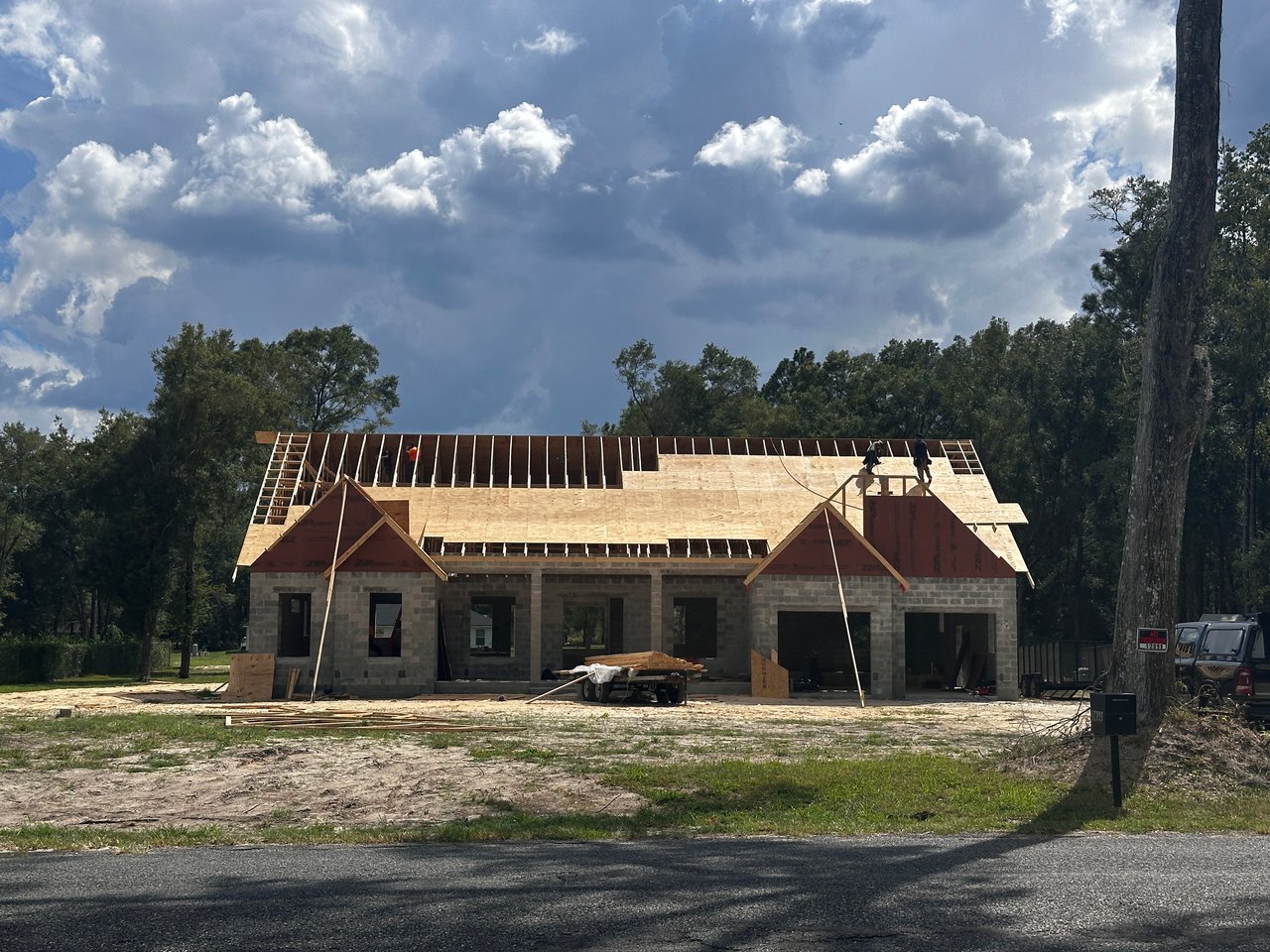
Building Requirements
Health Department
Real Estate
Means for Buyers, Sellers, and Horse Farm Owners
We bring a passion for equestrian living and years of real estate expertise to guide buyers, sellers, and investors with unmatched dedication. With a background in luxury markets, construction knowledge, and international experience, we understand the unique needs of every client. Based in Ocala’s Whispering Oaks Farm, we are ready to help you find your perfect property near the World Equestrian Center and beyond.