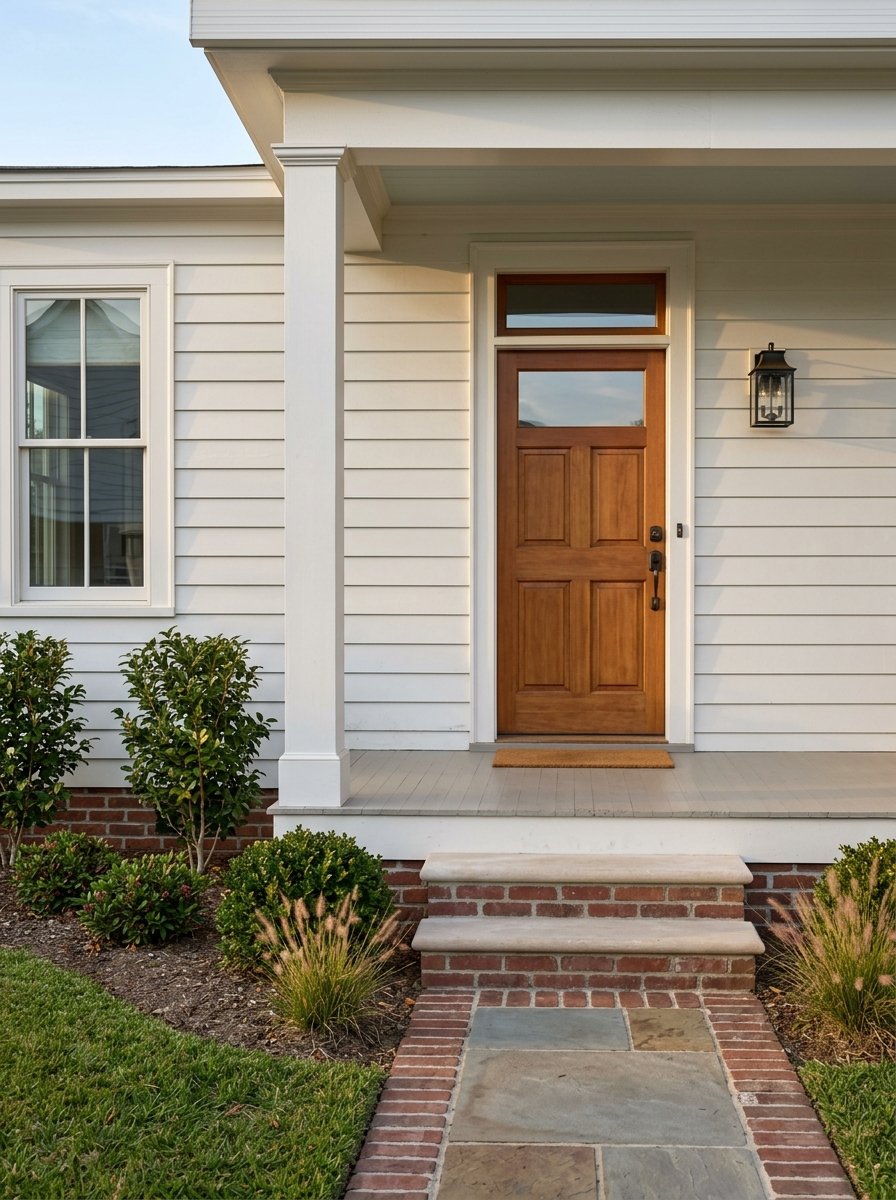
Renovate Before Selling in Ocala’s Historic District?
May 7, 2026
May 7, 2026
Wondering whether to pour money into updates before you list, or simply sell your historic home as it stands? In Ocala’s Historic District, that choice is not just about design or budget. It is also about timing, approvals, and protecting the features that give your property its identity. If you are weighing renovation against a simpler sale strategy, this guide will help you decide where improvements make sense, where a light refresh may be smarter, and when selling as is can be the right move. Let’s dive in.
Selling in Ocala’s Historic District is different from selling in a typical neighborhood. Ocala has four historic districts, but only the Ocala Historic District and Tuscawilla Park are both locally and nationally designated. In locally designated districts, exterior work may require a Certificate of Appropriateness, or COA, before the project begins.
That matters because many common pre-listing updates affect the outside of the home. Roof work, exterior material changes, fences, driveways, and some site features can all trigger review in local historic districts. Even when a project seems straightforward, historic rules can change the timeline and scope.
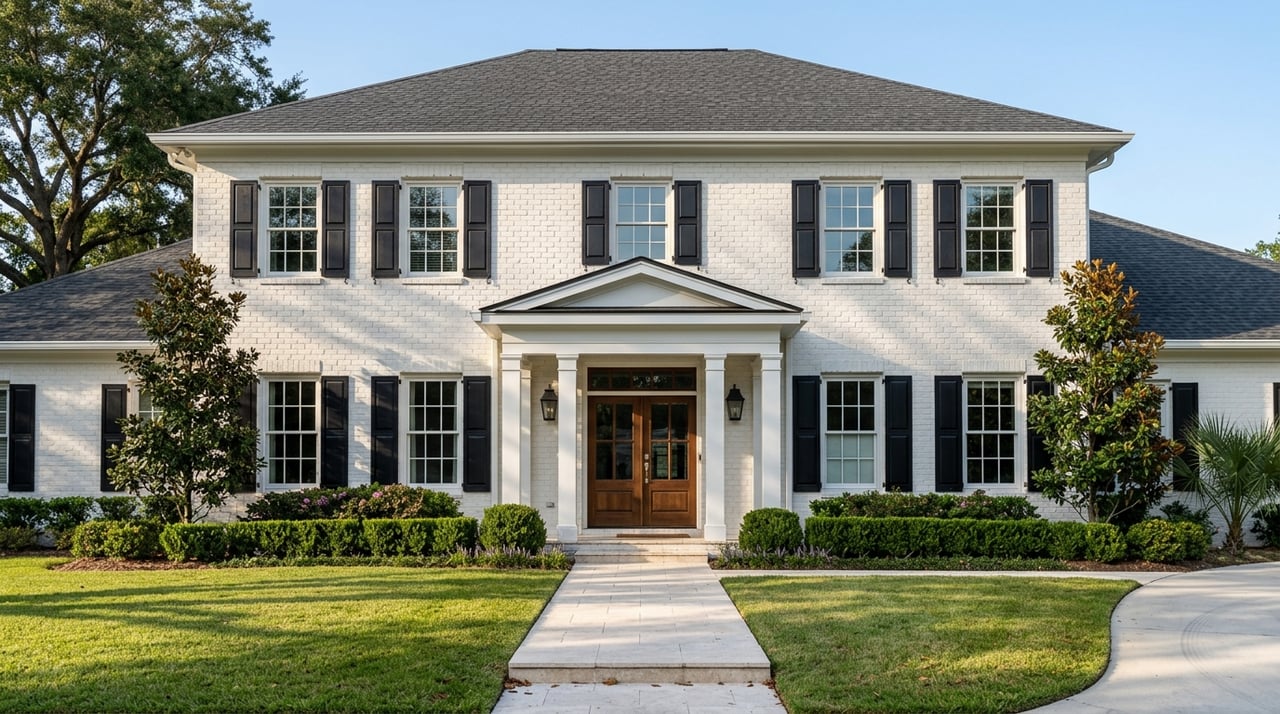
The district itself is known for late-19th- and early-20th-century architecture. The city identifies styles such as Queen Anne Revival, Mediterranean Revival, Colonial Revival, Tudor Revival, Bungalow, Georgian Revival, Vernacular, and Carpenter Gothic. Features like verandas, decorative shingles, asymmetrical massing, and classical porch columns are part of what buyers notice and value.
If you own a historic home in Ocala, the safest approach is usually to preserve what makes it special rather than trying to make it look brand new. The city’s preservation framework supports compatible repairs and updates over major stylistic overhauls. In practice, that often means repairing original elements when possible and avoiding changes that erase historic character.
This is especially important on the exterior. The visual identity of a historic district depends on intact, recognizable homes. When you prepare a property for sale, buyers are often drawn to authentic details, not a generic remodel that could belong anywhere.
That does not mean you should ignore condition. It means your money usually works hardest when it solves a real problem, improves curb appeal, or supports the home’s original design.
Current market data points to a slower-moving environment. Public market trackers describe Ocala as not very competitive, with roughly one offer on average and about 80 days on market. Zillow reported about 67 days to pending and 2,511 homes for sale as of March 31, 2026, while Marion County data showed a median sale-to-list ratio of 97.5% and average marketing time of about 84 days.
For sellers, that usually means buyers have time to compare options. In a market like this, expensive discretionary remodels do not always pay you back. If you overspend on custom finishes or a major redesign, you may not see a full return at closing.
Condition still matters. The 2025 Remodeling Impact Report found that 46% of homebuyers were less willing to compromise on home condition. It also noted that real estate professionals most often recommended painting the whole home, painting one room, and replacing the roof before listing.
Trade data from the 2025 Cost vs. Value report also showed that exterior improvements often deliver stronger resale returns than discretionary interior remodels. Projects like entry doors, garage doors, and exterior façade work ranked among the stronger return categories.
Some updates are worth serious consideration because they address function, safety, and buyer confidence. If your home has a failing roof, outdated electrical, plumbing concerns, or worn-out mechanical systems, those issues can discourage buyers and complicate inspections.
In many cases, these are the improvements most likely to help your sale. They are not cosmetic luxuries. They address risk and make the home easier for a buyer to finance, insure, and comfortably occupy.
Historic homes often raise another important question: windows. National preservation guidance says repair should come first when dealing with historic windows. Weatherstripping, storm windows, glazing, and sash work can often improve performance without removing the original windows.
If replacement becomes unavoidable, the replacement should closely match the old window in design, color, texture, and visual qualities. For a seller, that can be the difference between a thoughtful repair strategy and a costly change that creates new review issues.
If your home has strong bones and a well-preserved exterior, a light refresh is often the sweet spot. This approach keeps costs under control while helping the home show well to buyers who appreciate historic character.
A refresh can include deep cleaning, paint, updated hardware, improved lighting, basic landscaping, and careful touch-ups. These changes can make a home feel better maintained without turning the listing into a long renovation project.
For interiors, this approach is often especially practical. Interior changes that do not affect exterior elements generally do not require a COA. That can make cosmetic interior work simpler to plan than exterior updates, though city building permits are still required for most interior and exterior work except painting and floor covering.
In historic homes, the goal is usually not perfection. It is readability. You want buyers to see the trim, porch details, window proportions, and roofline clearly, while also feeling that the home has been cared for.
Kitchens and baths are usually the biggest temptation. They are also the easiest places to over-improve before a sale.
In a historic property, a full gut renovation is not always the best investment unless the space is truly dysfunctional. Preservation guidance supports fitting service functions like bathrooms and mechanical equipment into secondary spaces when possible, while preserving character-defining spaces and finishes.
That means a targeted approach often makes more sense. Repaired surfaces, fresh finishes, updated fixtures, and a clean, neutral presentation can often do the job without the cost and disruption of a complete remodel.
Selling as is is not a sign of giving up. In some cases, it is the most practical and financially sound decision.
This route can make sense when the needed exterior work is expensive, when the approval process could delay your listing, or when you want to avoid surprise costs. In Ocala’s local historic districts, exterior changes often need COA review, and larger projects such as additions, demolitions, new construction, and substantial alterations typically go before the Ocala Historic Preservation Advisory Board.
There is also a timing factor. COA applications should be submitted about 30 days before the preferred meeting date, and approved COAs are valid for six months. If the property is sold before approved work begins, the new owner must submit a new COA application.
That can make major pre-sale projects less appealing, especially if your timeline is short. In a slower market where buyers have options and sale prices often land below list price, avoiding over-improvement may protect your bottom line.
Before starting work, it helps to understand that historic review and building permits are separate. City building permits are required for most interior and exterior work, except painting and floor covering. A COA is an additional review for qualifying exterior work in locally designated historic districts.
Minor work may be approved administratively. More substantial projects usually go through a public board meeting. The city states that there is no COA application fee, but starting work before approval can trigger a $100 fee.
For sellers, this means timing matters just as much as budget. A project that seems simple in another neighborhood may involve both permit review and historic review here.
Exterior work deserves extra caution because it is both highly visible and more likely to trigger review. Roof replacement, exterior paint decisions, front-entry work, porches, fences, sheds, driveways, sidewalks, pools, gazebos, fountains, and satellite dishes can all come into play in a local historic district.
Even fence rules differ here. The city says residential fences at or below 6 feet usually do not need a building permit, except in historic districts. That is a good reminder that work which feels minor elsewhere may be more involved in this part of Ocala.
If you are deciding whether to renovate or sell as is, the exterior is often where that decision becomes clear. If the needed scope is modest and compatible, a refresh may help. If the scope is large, costly, or likely to drag out your timeline, selling as is may be the better business decision.
If your property is in the East Ocala CRA subarea, there may be financial help available for certain historic-building improvements. The city says eligible work may include roof replacement, exterior painting, historically appropriate windows, and code-related upgrades.
The program guide notes a maximum reimbursement of $40,000 with a 60/40 city-to-applicant match for eligible projects. The East Ocala CRA subarea includes Tuscawilla Park and part of the Ocala Historic District.
This does not mean every project will qualify, but it may affect your decision if you are on the fence about completing important exterior work before listing.
If you are unsure which path makes sense, use a simple three-part filter:
Choose this path when the home has functional issues that could block a sale or lower buyer confidence. Think roof problems, major system concerns, unsafe conditions, or exterior deterioration that is too visible to ignore.
Choose this path when the home is fundamentally sound and the goal is presentation, not transformation. A well-kept historic exterior and only moderately dated interiors usually point to this option.
Choose this path when exterior work is expensive, approvals may slow you down, or the return on upgrades feels uncertain. In today’s slower Ocala market, that can be a very reasonable choice.
The best strategy usually balances preservation, timing, and return. In Ocala’s Historic District, that often means repairing what matters, refreshing what buyers will notice, and avoiding costly changes that do not clearly improve value.
If you want help weighing repair costs, timing, buyer expectations, and listing strategy for your historic property, Alyssa Pascucci can help you build a plan that fits your home and your goals.
Stay up to date on the latest real estate trends.
We bring a passion for equestrian living and years of real estate expertise to guide buyers, sellers, and investors with unmatched dedication. With a background in luxury markets, construction knowledge, and international experience, we understand the unique needs of every client. Based in Ocala’s Whispering Oaks Farm, we are ready to help you find your perfect property near the World Equestrian Center and beyond.