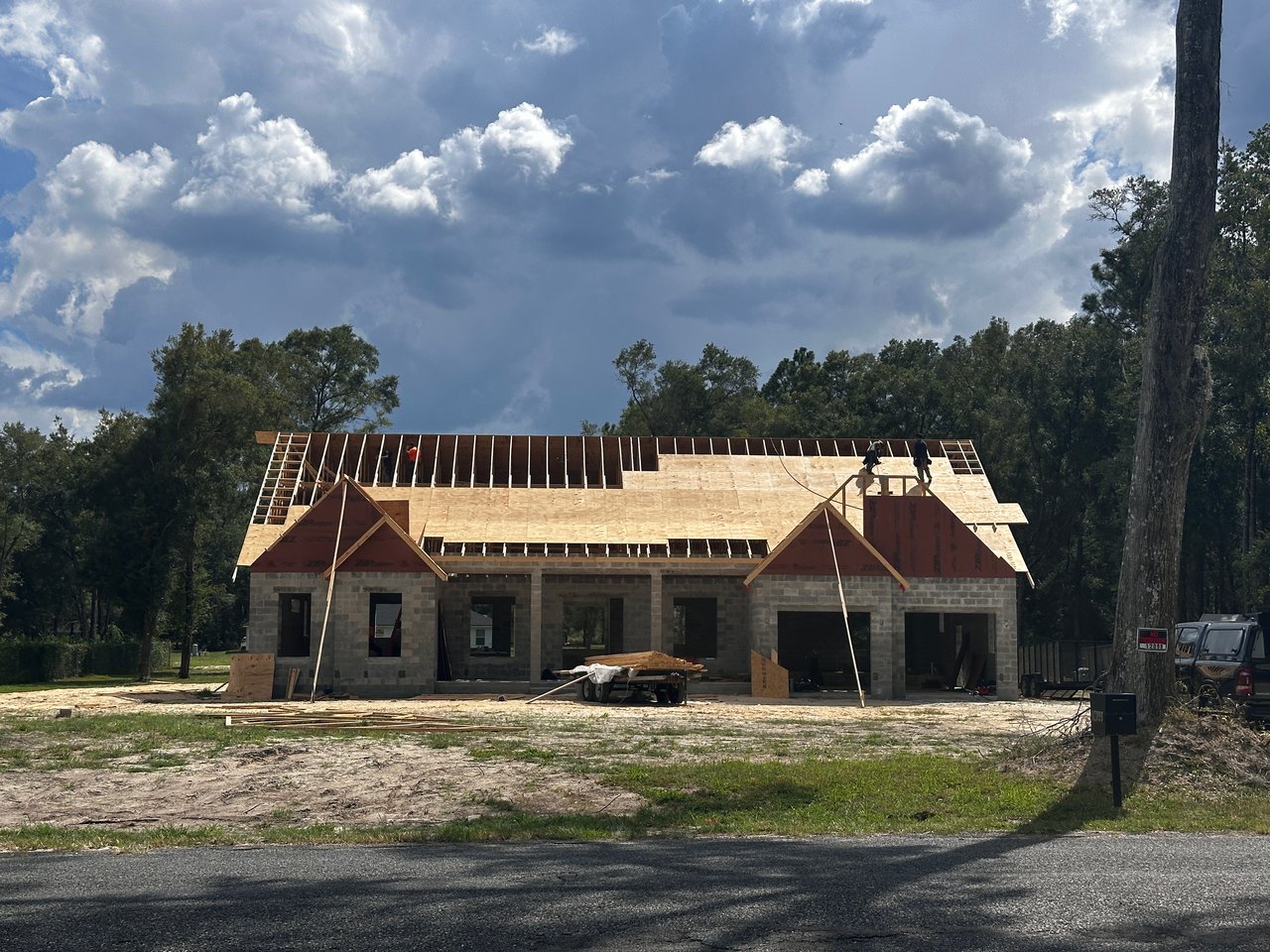
Marion County New Septic Rules
Building Requirements Alyssa Pascucci September 30, 2026
Building Requirements Alyssa Pascucci September 30, 2026
If you own a home, farm or acreage around Ocala, there's a good chance it runs on a septic system. Florida has more than 2.7 million septic tanks, handling wastewater for about 30 percent of the state's population.
That makes a newer state law worth knowing about. Depending on where a property sits, it can change what a septic system needs, especially when you're buying, selling or building. Here's what it means in plain terms.
In 2023, Florida passed a law called HB 1379 to cut down on the pollution that reaches our springs, rivers and groundwater. Septic systems leak nitrogen into the ground, and too much nitrogen hurts water quality.
The biggest change took effect July 1, 2023. In certain protected areas, a new septic system on a lot of one acre or less must be an upgraded, nitrogen-reducing system instead of a standard tank, unless city sewer is available to connect to. Florida DEP
Why this matters locally: much of the Ocala area falls under the Silver Springs and Rainbow Springs BMAP, a springs cleanup plan whose latest version took effect April 27, 2026. So these rules come up more often here than in many parts of Florida.
It all depends on the property's location and its septic system. An owner may need to:
The easiest way to know is to look the address up. Florida DEP's Springs Protection page links to a free map showing which septic rules apply where, for both new and existing systems.
Septic rules can feel confusing, but you don't have to sort them out alone. At Golden Ocala Real Estate, we check these details early so buying or selling in Marion County goes smoothly.
Thinking about a move? Reach out to Alyssa Pascucci and the Golden Ocala team with any questions.
This post is for general information only and isn't legal or engineering advice. Rules can change, so always confirm a property's requirements with the county health department or Florida DEP.
Stay up to date on the latest real estate trends.

Market Update
What the Latest Numbers Mean for Buyers and Sellers
Building Requirements
Health Department

Real Estate
Means for Buyers, Sellers, and Horse Farm Owners

We bring a passion for equestrian living and years of real estate expertise to guide buyers, sellers, and investors with unmatched dedication. With a background in luxury markets, construction knowledge, and international experience, we understand the unique needs of every client. Based in Ocala’s Whispering Oaks Farm, we are ready to help you find your perfect property near the World Equestrian Center and beyond.