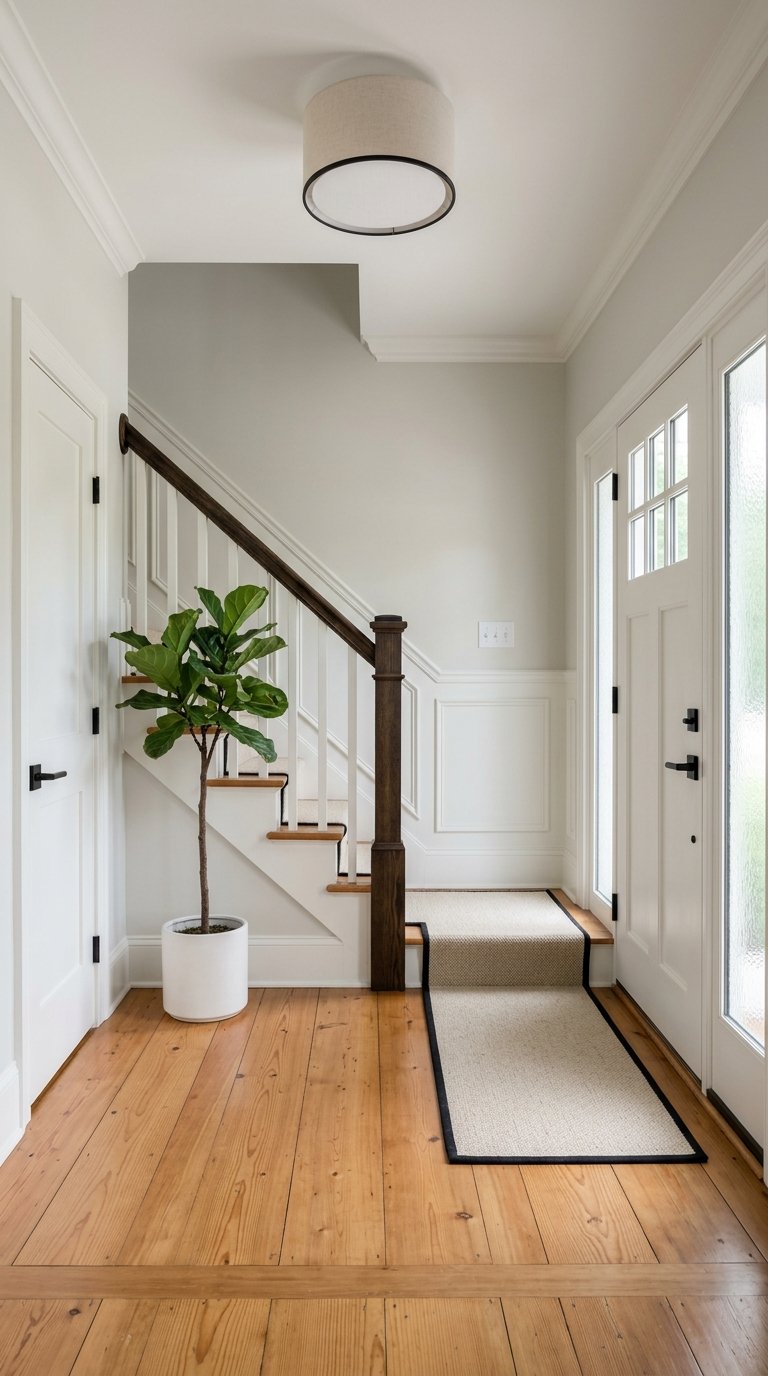
Downsizing to an Ocala Historic Home: What to Know
July 2, 2026
July 2, 2026
Are you thinking about simplifying your home without giving up character, charm, or a great location? Downsizing to a historic home in Ocala’s Historic District can offer a very different kind of lifestyle, one that trades extra square footage for architecture, walkable surroundings, and close access to downtown arts and dining. If you want a smaller home that still feels special, this guide will help you understand what to expect before you make your move. Let’s dive in.
Ocala’s Historic District is not just a collection of older homes. It is a 55-block, 172.5-acre residential neighborhood on the east edge of downtown that developed roughly between 1880 and 1930. The area is known for its one- and two-story residential scale, mature live oaks, small planned green spaces, and a grid layout that supports an easy connection to the downtown core.
This setting appeals to many downsizers because it feels established and close to daily conveniences. The district sits next to downtown Ocala, where the city highlights art, history, dining, and entertainment as central parts of the experience. Instead of living farther out and driving everywhere, you may find yourself choosing a home base that keeps more of Ocala within easy reach.
In Ocala, historic designation can come with different levels of oversight. The locally designated Ocala Historic District is subject to exterior preservation review through the Certificate of Appropriateness process, often called a COA. That matters because exterior changes to a home may need approval before work begins.
At the same time, historic does not mean frozen in place. The city’s own materials note that some residences have been adapted into apartments or condominiums, and some homes on the edges of the district have become professional offices. The district remains a lived-in neighborhood, which is often reassuring if you want charm without feeling like you are stepping into a museum piece.
For many homeowners, downsizing is about more than reducing maintenance. It is also about choosing how you want to live each day. In Ocala’s Historic District, that can mean moving closer to downtown, enjoying a residential setting with architectural personality, and shifting from a yard-centered routine to a more street-oriented lifestyle.
The district’s location and layout support that change. Its grid pattern makes local movement easier, and downtown amenities sit right nearby. The city’s free O-Line trolley loops through downtown, connects parking areas, historic landmarks, and shopping and dining districts, and takes about 30 minutes for a full tour.
If you are moving from a newer home, one of the biggest adjustments may be the layout. Many historic homes in the district reflect architectural styles from the late 19th and early 20th centuries, including Queen Anne Revival, Mediterranean Revival, Classic Revival, Tudor Revival, American Bungalow, Colonial Revival, and more. These homes often prioritize distinct rooms, architectural features, and exterior character over the open-plan layouts many buyers are used to today.
That does not make them less functional. It simply means your idea of “right-sized” may shift from square footage alone to how the home lives day to day. Features like bay windows, porches, verandas, decorative woodwork, and bungalow forms can make a smaller home feel richer in personality and more connected to its surroundings.
One of the most noticeable lifestyle changes in Ocala’s Historic District can be the role of the porch. The city’s preservation guidance treats porches and entrances as important parts of the home’s character, and the district includes front, side, rear, wrap-around, second-story, sleeping, and veranda porches.
For you, that may mean spending more time in a space that feels connected to the street and neighborhood rhythm. Compared with more suburban settings, daily life can feel more outward-facing. If you love the idea of a home with a strong sense of presence and connection, this can be a major upside.
When you downsize to a historic home, the exterior deserves close attention. Ocala’s preservation guidance places strong emphasis on roofs, windows, porches, entrances, and masonry or stucco. These are the features that often define the home’s character and can also influence your future upkeep and renovation plans.
The city recommends preserving roof shape and materials when possible. It also encourages retaining historic wood windows and original window shading devices, and repairing masonry with matching materials. Changes that reduce historic character, such as incompatible roof alterations, aluminum window frames, or false muntins, are discouraged.
If you are considering any exterior work, understanding the Certificate of Appropriateness process early can save time and stress. In Ocala’s locally designated historic districts, exterior changes generally must receive COA approval before work begins. This includes many projects buyers might assume are simple, such as changes to windows, doors, roofs, siding, porches, stairs, railings, driveways, sidewalks, fences, walls, sheds, pools, and more.
Interior changes are generally less restricted if they do not affect exterior elements. Painting is exempt from COA review, though the city advises using compatible colors and leaving historically unpainted masonry unpainted. If you are evaluating a home with renovation in mind, this distinction between interior flexibility and exterior oversight is important.
Historic homes can still evolve, but updates should be approached thoughtfully. Ocala recommends that additions remain compatible with the historic building and preserve the relationship between the house, landscape, and open space. That means the goal is not to stop change, but to make sure new work fits the property.
The city also advises discussing plans with staff before applying and submitting the COA packet three weeks before the meeting date. Starting work without approval can trigger a fee. If you are downsizing and hope to customize a home after closing, planning ahead is part of buying wisely.
A historic home purchase here is also a location decision. Because the district borders downtown’s central business area, many buyers are drawn to the convenience of having dining, events, and local attractions nearby. That closeness can make a smaller home feel like part of a much larger lifestyle footprint.
Parking is also practical in downtown Ocala. The city says the downtown garage has 402 spaces, and additional free parking is available downtown. For buyers who still want easy car access while enjoying a more connected setting, that balance can be appealing.
For some downsizers, the real advantage of this move is not only the home itself. It is the chance to live near the activity and culture that make a place feel engaging. Downtown Ocala’s recurring First Friday Art Walk includes more than 30 artist displays, live entertainment, family art activities, extended shopping hours, and accessible sidewalks and ramps.
The city also supports cultural programming such as public art, the Ocala Outdoor Sculpture Competition, Art in City Spaces exhibitions, and the Tuscawilla Art Park Series. If you want your next chapter to feel less isolated and more connected to local experiences, this can be a meaningful part of the decision.
Before you buy a historic home in Ocala’s Historic District, focus on a few practical questions:
These questions can help you separate a home that is simply attractive from one that truly matches your next stage of life.
Downsizing into a historic property often requires a different lens than buying a newer home. You are not just evaluating size and finishes. You are weighing architecture, condition, preservation requirements, future improvement plans, and lifestyle fit all at once.
That is where informed local guidance matters. If you want a home with character and long-term value, it helps to work with someone who can look beyond surface appeal and help you think clearly about renovation potential, daily livability, and what ownership will really involve.
If you are considering downsizing to a historic home in Ocala, working with a local expert can help you narrow the right fit and avoid costly surprises. Connect with Alyssa Pascucci for thoughtful guidance on Ocala properties, lifestyle goals, and renovation-minded home searches.
Stay up to date on the latest real estate trends.

Real Estate
Means for Buyers, Sellers, and Horse Farm Owners

We bring a passion for equestrian living and years of real estate expertise to guide buyers, sellers, and investors with unmatched dedication. With a background in luxury markets, construction knowledge, and international experience, we understand the unique needs of every client. Based in Ocala’s Whispering Oaks Farm, we are ready to help you find your perfect property near the World Equestrian Center and beyond.