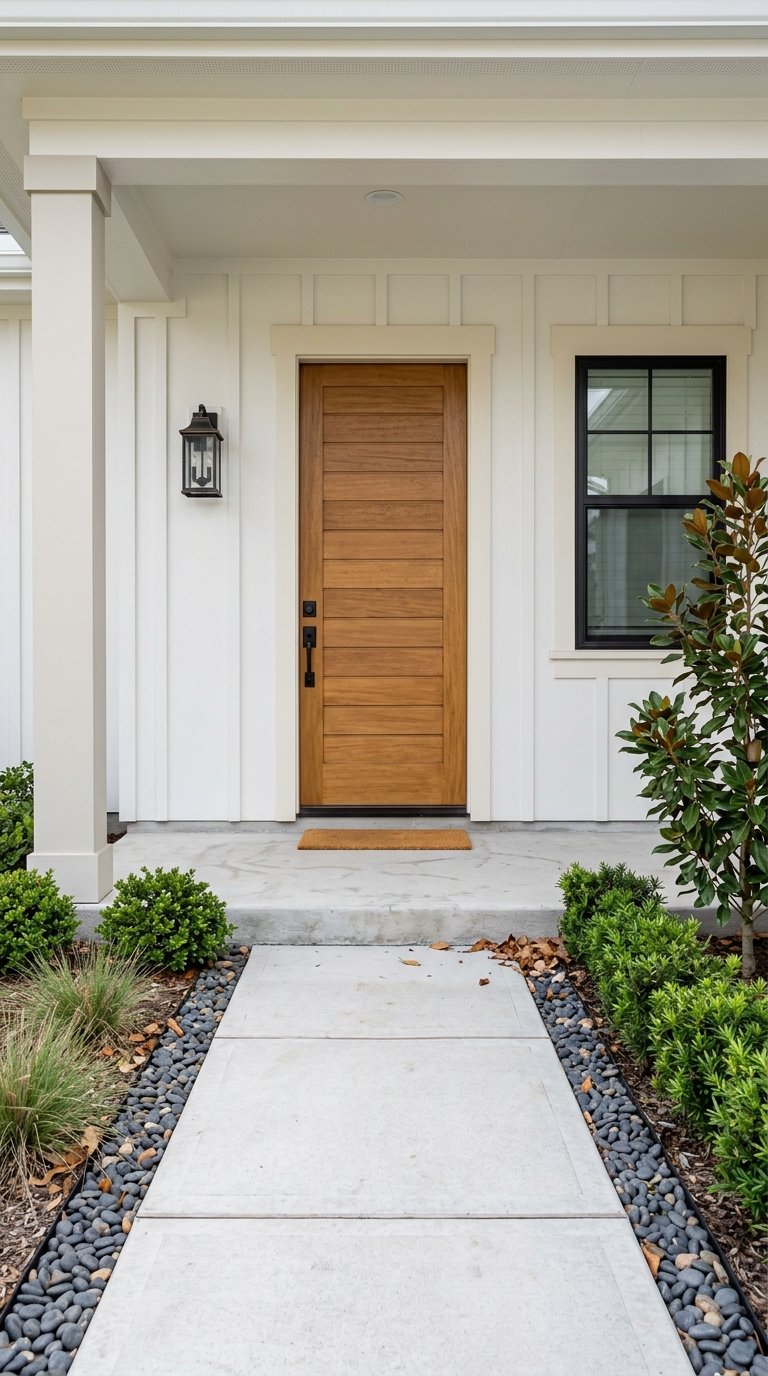
Choosing Gainesville New Construction Or Established Homes
July 9, 2026
July 9, 2026
Wondering whether a new construction home or an established home makes more sense in Gainesville? You are not alone. This is one of the most important choices buyers face, especially in a city that offers both newer homes built to current standards and older neighborhoods with deep roots, mature trees, and a strong sense of place. In this guide, you will learn how the two options compare in Gainesville so you can choose with more clarity and confidence. Let’s dive in.
Gainesville offers a wide mix of housing, which is part of what makes this decision so personal. The city has 64,284 housing units, including 22,243 owner-occupied units and 35,922 renter-occupied units. In Alachua County, there are 127,731 housing units, including 63,185 owner-occupied units and 53,601 renter-occupied units.
That broader mix creates two very different buying paths. In Gainesville, you can find newer homes that reflect current building standards and more uniform finishes. You can also find established homes in older areas where lot maturity, historic character, and existing city infrastructure may play a bigger role in your decision.
The median housing value in Gainesville is listed at $244,100, while Alachua County is listed at $288,800. While price is only one part of the picture, these figures help show the local context as you compare home styles, locations, and long-term priorities.
If you are leaning toward new construction, the biggest difference is often the process. In the City of Gainesville, permits are required for construction-related work, applications can be submitted through PermitGNV, and plan review can take up to 15 business days depending on the project and the quality of the submittal.
In Alachua County, the process also follows a defined path. Construction plans are reviewed by licensed plans examiners, permits are issued after approval, and inspections take place at specific stages during construction. For you as a buyer, that usually means a new home can involve a longer and less predictable timeline than purchasing an existing home.
New homes in Florida are also built under the Florida Building Code, 8th Edition, which became effective on December 31, 2023. That matters because a newly built home starts from a more current code baseline for building systems and energy-related features. Still, actual efficiency and finish quality can vary based on the builder, floor plan, and upgrades you choose.
For many buyers, new construction is appealing because it offers a cleaner starting point. You are typically getting newer materials, newer systems, and a home designed around current code requirements rather than older standards.
New construction can also feel more streamlined in terms of style. Because the home is being built now, finishes often follow a more coordinated package instead of reflecting years of previous owner updates. If you prefer a more polished, move-in-ready look, that consistency can be a real advantage.
Here are a few reasons buyers often prefer new construction in Gainesville:
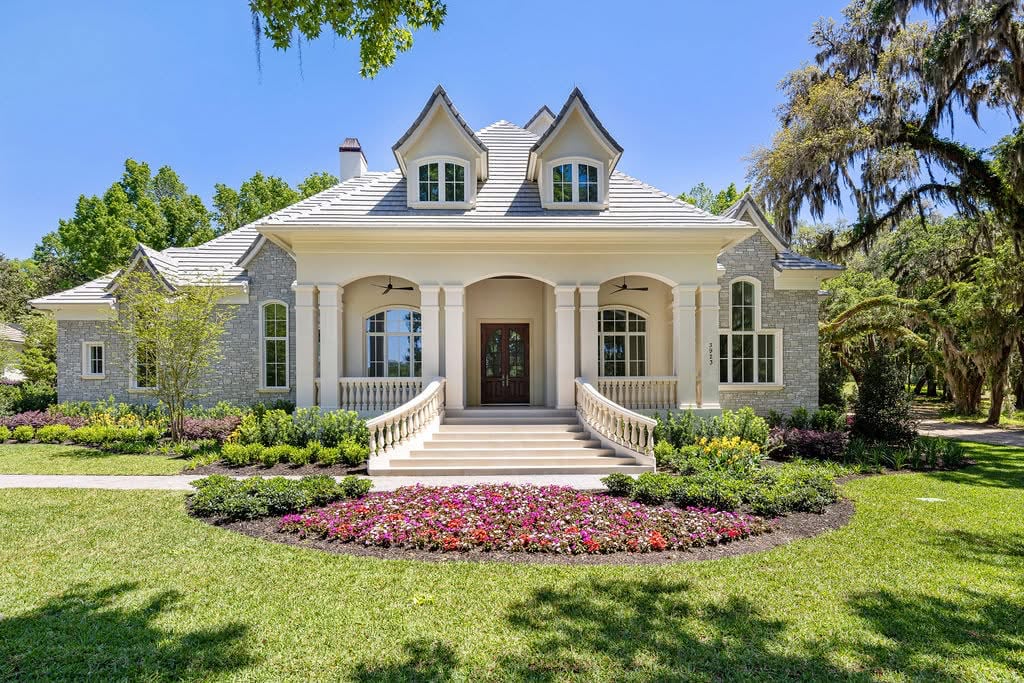
Established homes offer a very different kind of value. In Gainesville, they often stand out for character, lot maturity, and a stronger connection to older neighborhood patterns.
The City of Gainesville has five local historic districts that protect more than 1,500 historic structures. The city highlights older residential areas such as Pleasant Street, Northeast Residential, Southeast Residential, and University Heights. If you are drawn to homes with architectural detail or a more established setting, these areas can offer something that newer neighborhoods often cannot replicate.
That said, older homes can come with added considerations. In some historic district properties, exterior changes may require design review and a Certificate of Appropriateness before work begins. If you plan to make visible updates, it is important to understand those local rules early.
Many buyers fall in love with established homes because of the setting around them, not just the house itself. Older neighborhoods often have mature landscaping, larger tree canopy, and a more settled feel.
Gainesville’s Urban Forestry division maintains the urban forest, conserves heritage trees, and regulates tree removal. The city also notes that Gainesville has been a Tree City USA community since 1983. While tree cover varies by block, this supports the idea that many older parts of Gainesville offer the kind of canopy and landscape maturity that takes years to develop.
Established homes may also connect more naturally to the city’s existing parks, trails, and community spaces. Gainesville’s Parks, Recreation and Cultural Affairs department manages more than 3,200 acres of parks, recreation spaces, natural areas, and community centers. The city highlights places such as Depot Park and Boulware Springs Nature Park, which serves as the trailhead for the 17-mile Gainesville-Hawthorne State Trail.
Here are a few reasons buyers often prefer established homes in Gainesville:
One of the clearest differences between these two paths is timing. If you are buying a home that already exists, the path to move-in is usually more direct because the property has already been built, reviewed, and occupied.
With new construction, timing often depends on plan review, permit approval, inspection schedules, and the pace of construction itself. Even when the process is organized, there are more steps involved. If your move has a firm deadline, that can become a major factor in your decision.
A simple way to think about it is this:
Before you move too far into the search, it helps to confirm where the property sits from a jurisdiction standpoint. A home inside the City of Gainesville may follow a different permitting path than a home in unincorporated Alachua County.
That matters most if you are buying a new build, planning an addition, or expecting to make exterior changes after closing. It also matters if the home is in a historic district, where additional review may apply. Knowing this upfront can save time and reduce surprises.
| Factor | New Construction | Established Home |
|---|---|---|
| Building standards | Built to current Florida code | May reflect older standards |
| Move-in timing | Often longer and less predictable | Usually more direct |
| Finishes | More standardized and current | May reflect prior-owner choices |
| Lot character | Less mature in many cases | Often more mature landscaping |
| Neighborhood feel | May be newer or still developing | Often more established |
| Exterior changes | Depends on location and rules | Historic districts may require extra review |
The right answer usually comes down to how you want to live and how you want to buy. If you value current code standards, newer systems, and a more uniform finish package, new construction may feel like the better fit.
If you care more about mature trees, neighborhood character, and being woven into Gainesville’s established civic fabric, an older home may be more compelling. Neither option is automatically better. The best choice is the one that matches your schedule, your comfort with the process, and the kind of setting you want to come home to.
A smart decision starts with a few honest questions:
When you answer those questions clearly, the right direction often becomes much easier to see.
If you are comparing homes in Gainesville and want a thoughtful, detail-focused perspective, Alyssa Pascucci offers a consultative approach grounded in construction insight and personalized guidance.
Stay up to date on the latest real estate trends.
Real Estate
Means for Buyers, Sellers, and Horse Farm Owners
We bring a passion for equestrian living and years of real estate expertise to guide buyers, sellers, and investors with unmatched dedication. With a background in luxury markets, construction knowledge, and international experience, we understand the unique needs of every client. Based in Ocala’s Whispering Oaks Farm, we are ready to help you find your perfect property near the World Equestrian Center and beyond.