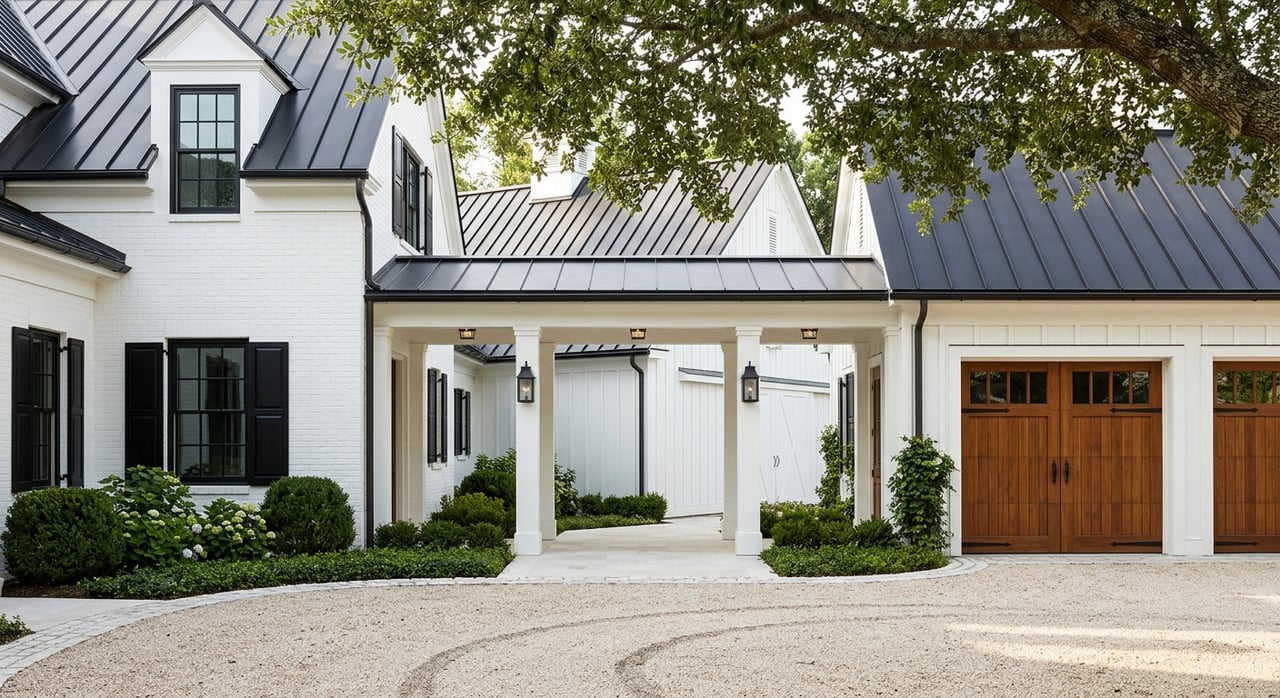
How to Plan a Remote Move to Ocala Horse Country
June 25, 2026
June 25, 2026
Thinking about moving to Ocala Horse Country without being here in person? You are not alone, and you are not wrong to feel that this kind of move comes with more moving parts than a typical home search. When you are buying from a distance, you need more than pretty photos. You need a clear plan for property review, horse logistics, timing, and closing. This guide will walk you through the process so you can make a confident remote move to Ocala. Let’s dive in.
Ocala and Marion County are not just another rural market. Marion County is officially designated the Horse Capital of the World® and reports that it is home to more horses than anywhere else in the country, including 35% of Florida’s horses, 46% of the state’s thoroughbreds, and more than 195,000 acres of equines.
That matters because when you buy here, you are stepping into a fully developed equestrian ecosystem. The county points to a strong network of veterinarians, feed and tack retailers, blacksmiths, equine dentists, and horse transportation companies. For a remote buyer, that support system can make a major difference once you own the property.
Large equestrian venues also shape the local rhythm. World Equestrian Center–Ocala hosts winter and summer circuits, HITS Post Time Farm runs USEF-rated competitions from December through March, and the Southeastern Livestock Pavilion remains a year-round venue for shows and sales.
In practical terms, you should treat your move as more than a home purchase. You are planning for access, operations, scheduling, and day-to-day horse care in a market built around equestrian use.
A remote move works best when you build your process in stages. Rather than trying to solve everything at once, focus on narrowing the field, reviewing property details carefully, and lining up the professionals you will need before you go under contract.
Buyer behavior already reflects this shift. Research cited in the report shows that many buyers rely on photos, floor plans, virtual tours, videos, and neighborhood information before visiting in person. In Ocala’s horse-property market, that means high-quality media is not just helpful. It is essential.
A smart remote search usually starts with a shortlist. From there, you can use video tours and property walk-throughs to evaluate layout, barn placement, turnout areas, arena space, access roads, and the relationship between the house and equestrian improvements.
A virtual showing should help you answer functional questions, not just aesthetic ones. On a horse property, you want to understand how the land and improvements work together.
During a remote tour, pay close attention to:
For many remote buyers, this is where local expertise becomes especially valuable. A property may photograph beautifully but still have operational issues that affect daily use, renovation scope, or long-term value.
Once you find the right property, your contract terms matter. The research report notes that buyers should choose an agent with experience in the property type and area, and it also supports using contingencies for financing and satisfactory inspections.
That is especially important when you are buying from out of state. If you are relying on remote media first and an in-person visit later, the contract should give you room to complete proper due diligence before you are fully committed.
Closing providers also deserve early attention. The report advises researching title insurance and settlement services early in the process so you are not scrambling at the end.
In Ocala Horse Country, diligence goes far beyond bedrooms, bathrooms, and finishes. You need to understand how the property performs, what systems support it, and whether the site fits your intended equestrian use.
The research report highlights several key issues buyers should investigate before committing. These include flood and disaster risk, insurance availability, utility cost, and water quality.
Ask direct questions about any prior flood or disaster damage, what repairs were made, and whether those repairs were completed properly. You should also confirm current insurance options and expected costs before closing.
Timing matters here too. NOAA identifies Atlantic hurricane season as June 1 through November 30, with the busiest period typically falling between August and October. If you are planning inspections, contractor work, or horse transport in late summer, expect a higher chance of weather-related delays.
Many rural properties in Marion County depend on private well and septic systems. The research report notes that well construction permits are required before installing a water well in the district, and Marion County issues well permits locally.
For septic, the Florida Department of Health in Marion County handles septic permitting and inspections locally. The county also has designated septic-to-sewer program areas, which makes it important to verify the current setup and whether any future changes may apply to the property you are considering.
Barns, arenas, and agricultural structures need their own review. Marion County states that some structures on bona fide agricultural land may be exempt from building-code permitting, but owners still need to submit forms for zoning approval.
The county materials call for items such as a recorded deed, parcel account number, and site plan. Marion County also routes permits, plan submissions, inspections, address verification, and fee payments through Civic Access. If you are evaluating existing equestrian improvements or planning changes after closing, this step matters.
If agricultural classification is part of your ownership goals, timing is important. The county’s 2026 disclosure statement notes that applications are due by March 1 each year.
That deadline can affect how you plan your purchase, hold period, and any post-closing land use updates. For remote buyers, it is one more reason to think beyond the house and consider the full operating picture.
One of the biggest mistakes remote buyers make is waiting until after closing to build their local support team. In Ocala, that can slow down your move and create unnecessary stress.
Marion County describes a broad equine support network that includes veterinarians, feed and tack retailers, blacksmiths, equine dentists, and horse transportation companies. UF/IFAS Marion County also offers one-on-one help with equine management, pond and pasture management, and agricultural best-management practices.
If you know you will need barn repairs, arena work, pasture review, or horse-care services, start those conversations early. This is especially helpful if you are buying a property that needs adjustments before your horses arrive.
Your horse move should be planned just as carefully as your real estate closing. Transport dates, paperwork, and property readiness all need to line up.
According to FDACS, horses moving within Florida need a negative EIA test dated within 12 months. Horses entering Florida need a negative EIA test plus an official certificate of veterinary inspection.
If you plan to show at local venues, venue-specific requirements may also apply. The research report notes that WEC–Ocala requires out-of-state horses to arrive with a 30-day health certificate, a negative Coggins within one year, and current vaccine records uploaded before arrival.
A good rule is to book transport and veterinary paperwork earlier than you think you need to. That gives you room if closing shifts, weather changes, or property work takes longer than expected.
A remote move to Ocala often goes more smoothly when you work around major local calendars. Competition schedules, school timing, and seasonal weather can all affect your planning window.
World Equestrian Center–Ocala’s Winter Spectacular runs from December 31, 2025 through March 22, 2026. Its Summer Series runs from June 3 through August 9, 2026. HITS Ocala also operates a winter circuit during the 2025-26 season.
These event periods can increase demand for lodging, transportation, and vendor scheduling. If possible, try to book inspections, contractor work, and horse transport well ahead of peak show weeks.
If your move includes school enrollment, timing deserves early attention. Marion County Public Schools lists August 10, 2026 as the first day for students for the 2026-27 school year, with applications for school choice opening April 1 for the following school year.
The district also states that transportation is not provided for out-of-area placements. Families with a signed purchase, build, or lease contract may use the proposed move option before the address change is final, which can be useful when you are relocating from another area.
When the process is broken into steps, a remote move becomes much more manageable. The research report supports a practical sequence that helps you stay organized and avoid last-minute surprises.
Here is a clear order to follow:
Florida allows remote online notarization when statutory identity-proofing and audiovisual requirements are met. For out-of-state buyers, that can make closing much easier and reduce unnecessary travel during the transaction.
Remote moves succeed when the details are handled proactively. In a market like Ocala, those details often include far more than price and square footage.
You may be evaluating barns, arenas, zoning pathways, wells, septic systems, pasture use, contractor timelines, transport scheduling, and competition-season logistics all at once. That is why many out-of-market buyers benefit from a concierge approach that combines strong local knowledge with a structured process.
If you are planning a remote move to Ocala Horse Country, working with someone who understands both the lifestyle and the property mechanics can help you move forward with more clarity and less guesswork. When you are ready to start your search or map out your relocation plan, connect with Alyssa Pascucci for expert guidance tailored to Ocala’s equestrian market.
Stay up to date on the latest real estate trends.
Real Estate
Means for Buyers, Sellers, and Horse Farm Owners
We bring a passion for equestrian living and years of real estate expertise to guide buyers, sellers, and investors with unmatched dedication. With a background in luxury markets, construction knowledge, and international experience, we understand the unique needs of every client. Based in Ocala’s Whispering Oaks Farm, we are ready to help you find your perfect property near the World Equestrian Center and beyond.